
LESSON FOUR
PICASSO and MATISSE
A Creative Rivalry and a Lifelong Dialogue
Picasso and Matisse had one of the most consequential friendships in art history, a relationship built on mutual admiration, intense rivalry, and genuine creative dialogue that spanned roughly half a century.
▫▫▫▫▫▫
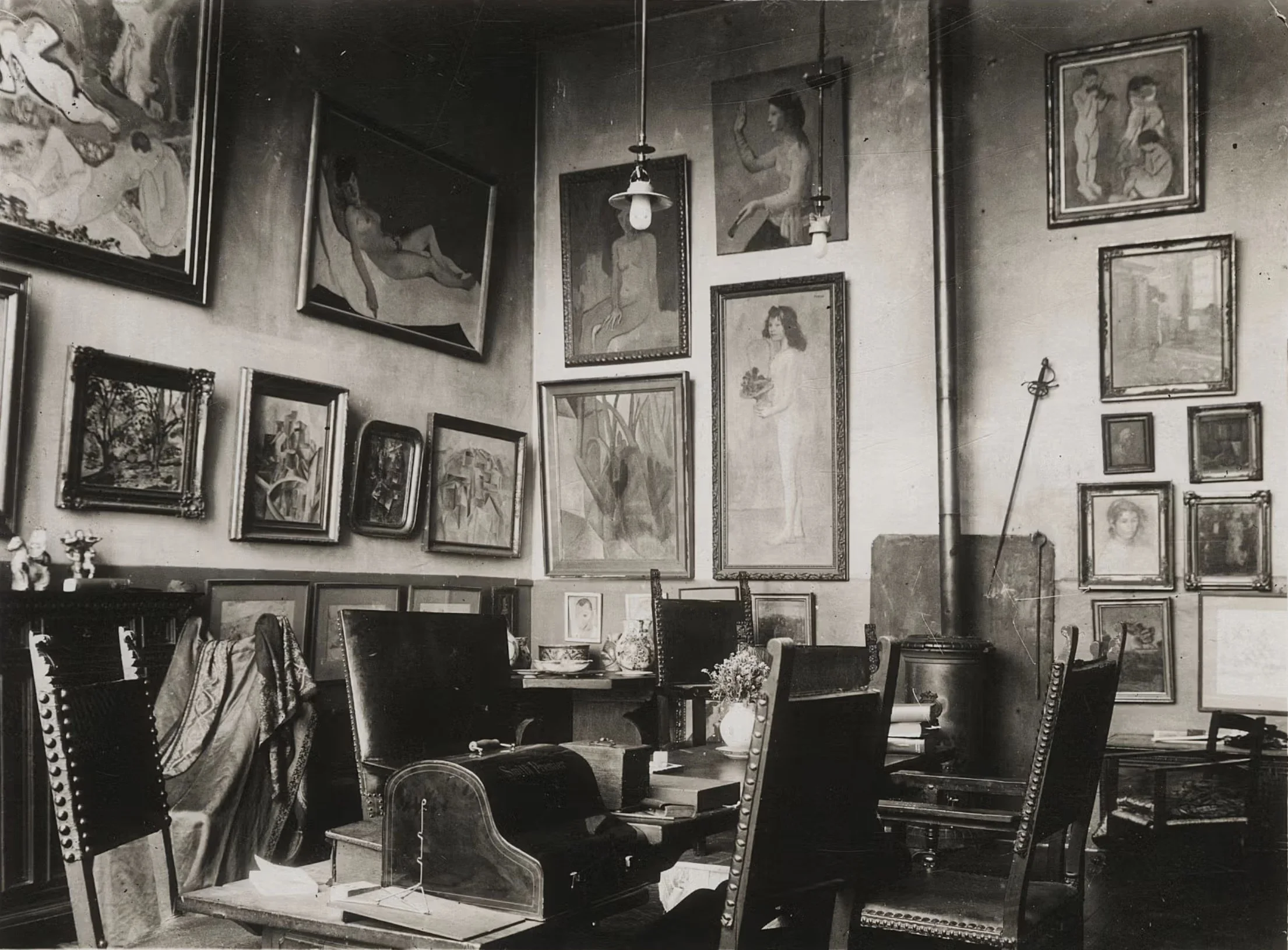
Gertrude Stein’s Salon
They met around 1906, introduced through Gertrude Stein's Paris salon, at a moment when both were at pivotal points in their careers. From the start, they recognized each other as the only true peer either had. Picasso reportedly said that only he and Matisse were the painters who mattered, and by most accounts he meant it as a compliment as much as a competitive declaration.
▫▫▫▫▫▫

▫▫▫▫▫▫
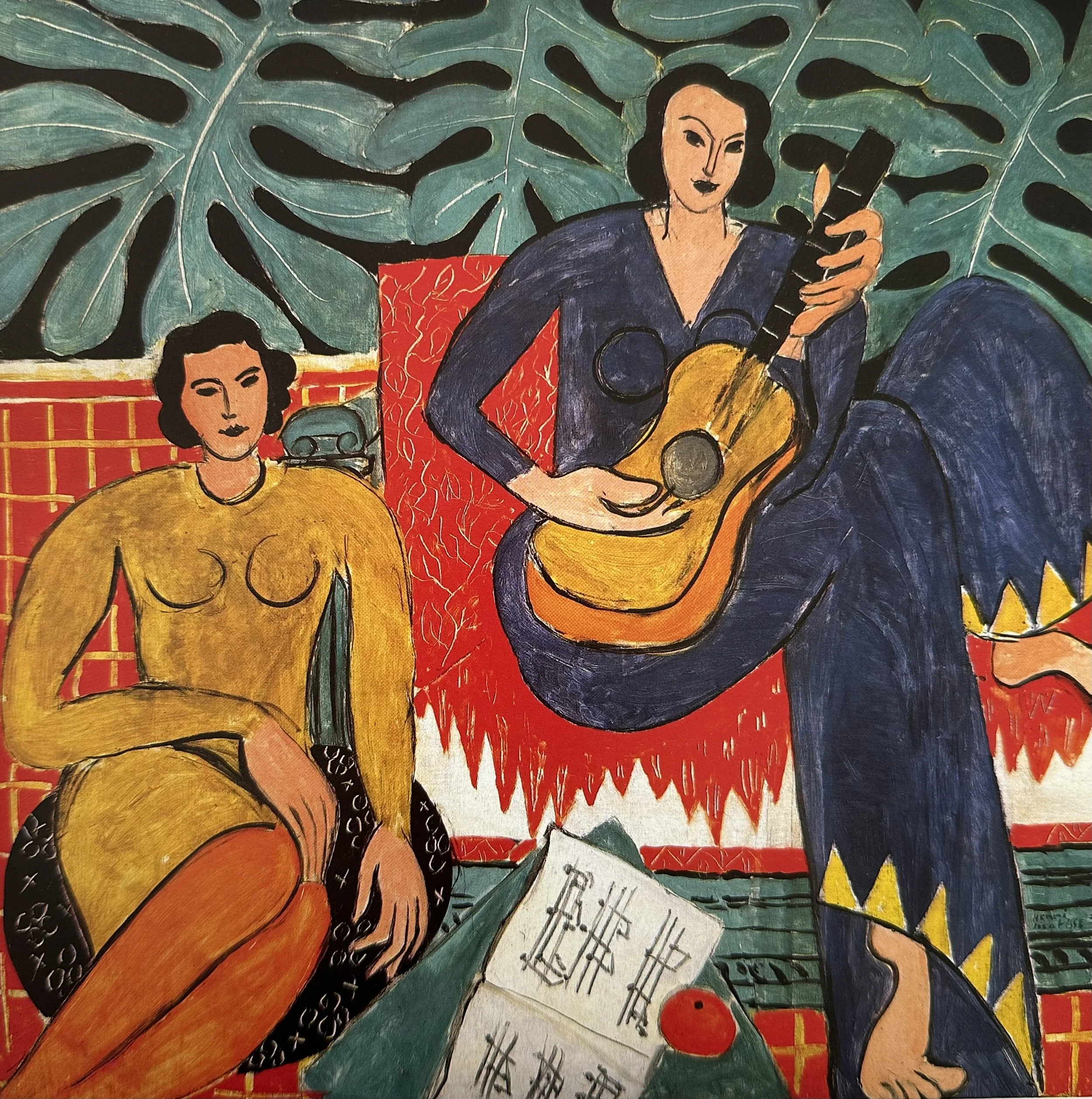
“Music” — by Matisse
There is no doubt that the mutual admiration and rivalry of these two artists inspired some of their greatest works. Matisse worked slowly, methodically, through color and decoration and sensual pleasure. Picasso worked in explosive bursts, through form, disruption, and psychological intensity. They looked at each other's work constantly and responded to it.
▫▫▫▫▫▫
▫▫▫▫▫▫
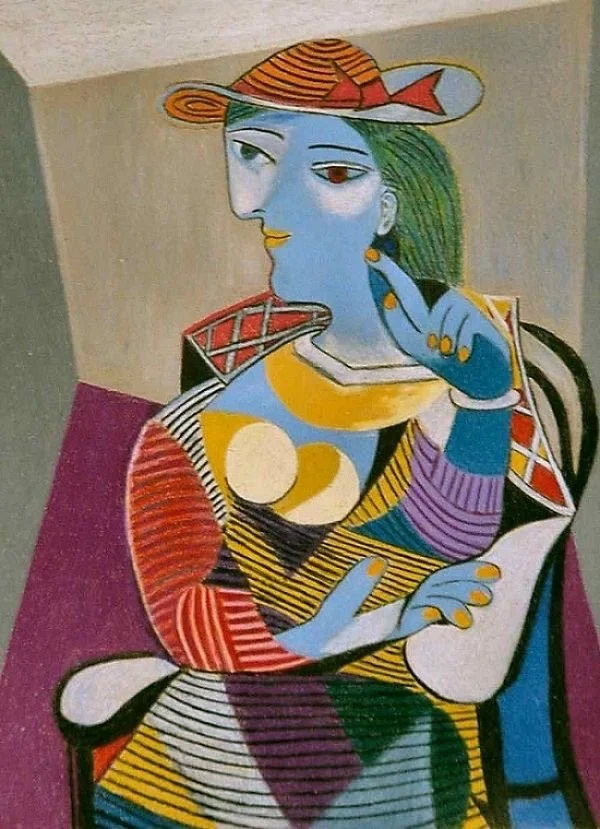
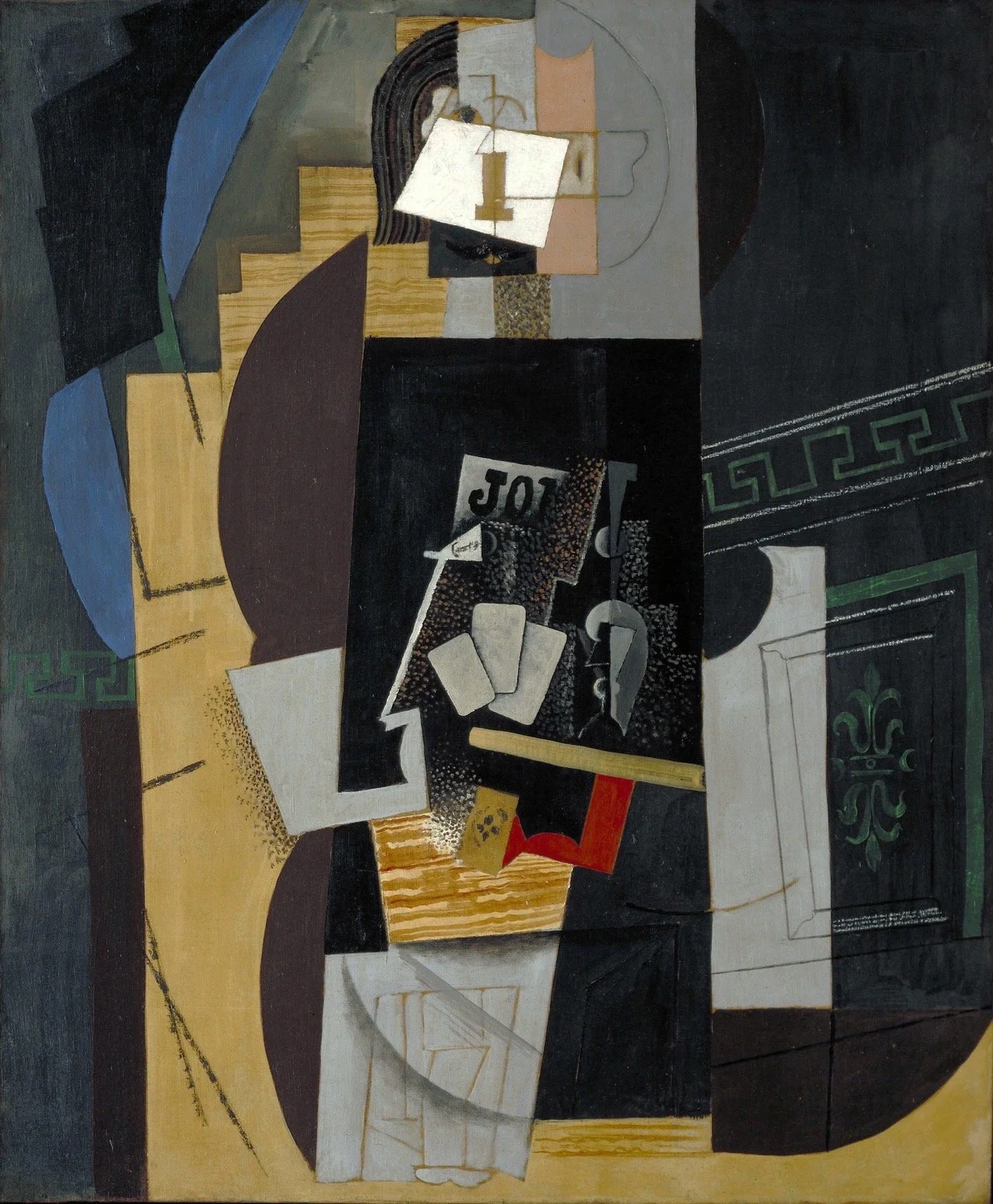
“Seated Woman” — by Picasso
When Matisse began flattening space and using bold pattern in his interiors, Picasso was watching. When Cubism fractured the picture plane, Matisse absorbed the challenge and found his own answer.
▫▫▫▫▫▫
▫▫▫▫▫▫
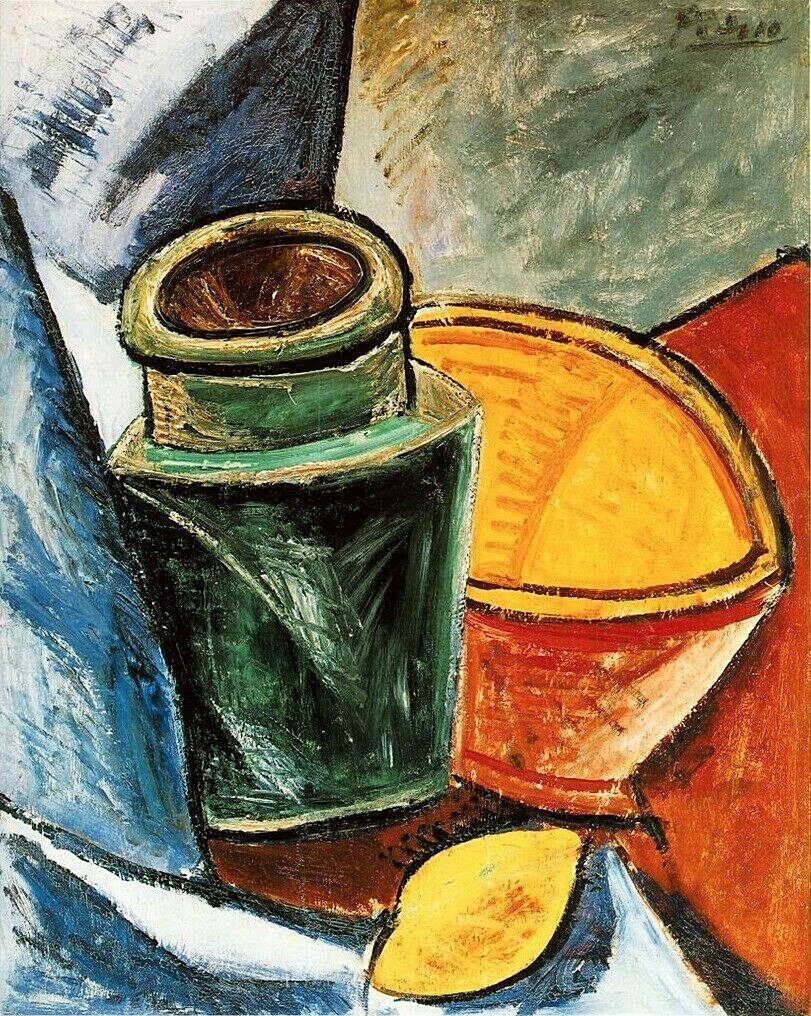
“Jug, Bowl and Lemon” — by Picasso
(chosen by Matisse)
They exchanged paintings and kept them. Matisse had Picassos on his wall; Picasso ended with 10 of Matisse’s works.
These two paintings are the first that they exchanged. Regarding these two, Gertrude Stein, ever the provocateur, said each had opted for the worst example of the other's new work, but in fact, learning was the driving motivation. Matisse, whose own still life of lemons had recently been criticized in the press, saw how Picasso was pushing the genre toward Cubism.
▫▫▫▫▫▫
For a deeper dive into this painting:
▫▫▫▫▫▫
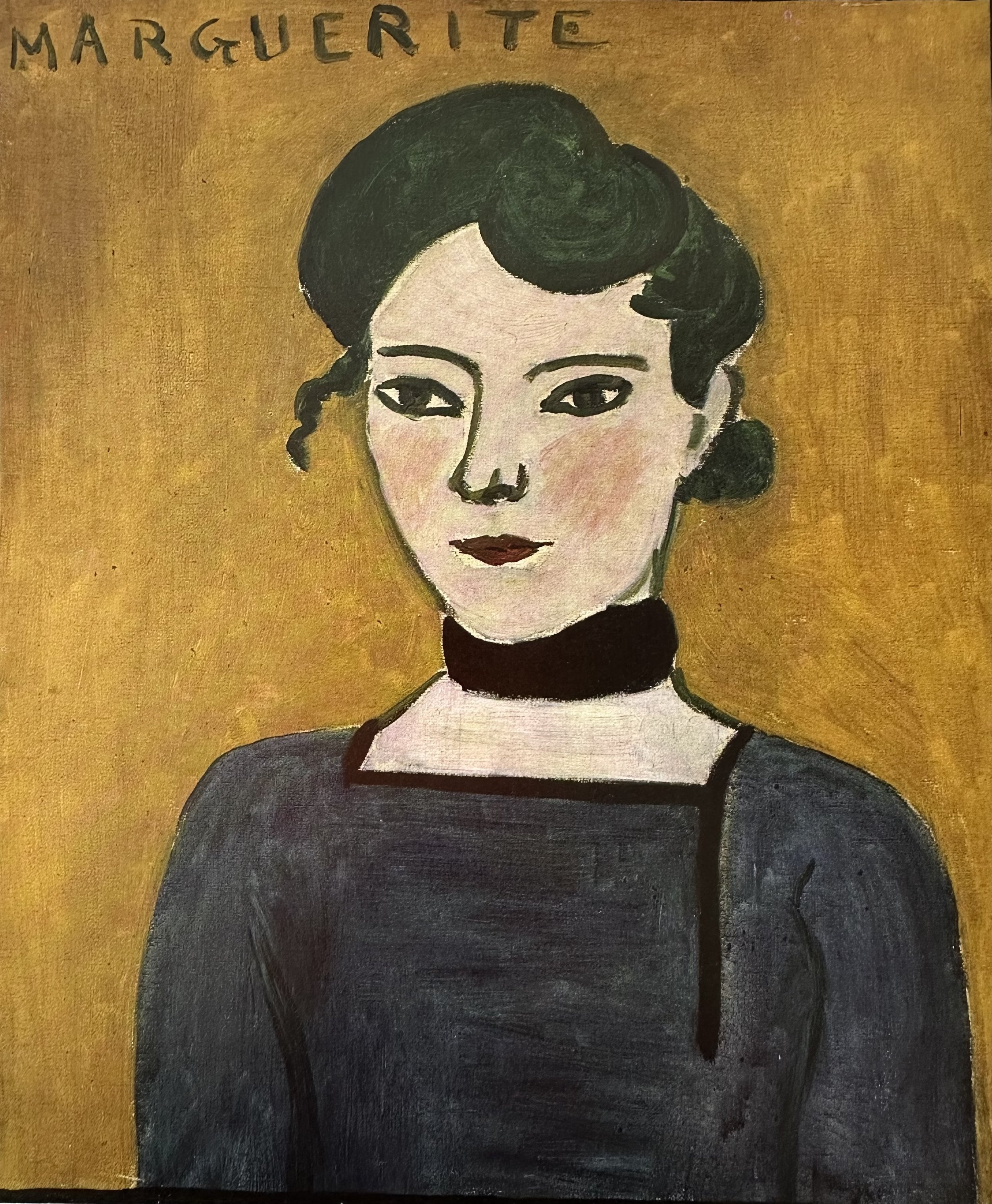
“Marguerite” — by Matisse
(chosen by Picasso)
Picasso chose Marguerite. This seemingly simple painting has deep historical references that few people would know. There are references to both Velazquez and Edouard Manet which Picasso would have seen and understood.
▫▫▫▫▫▫
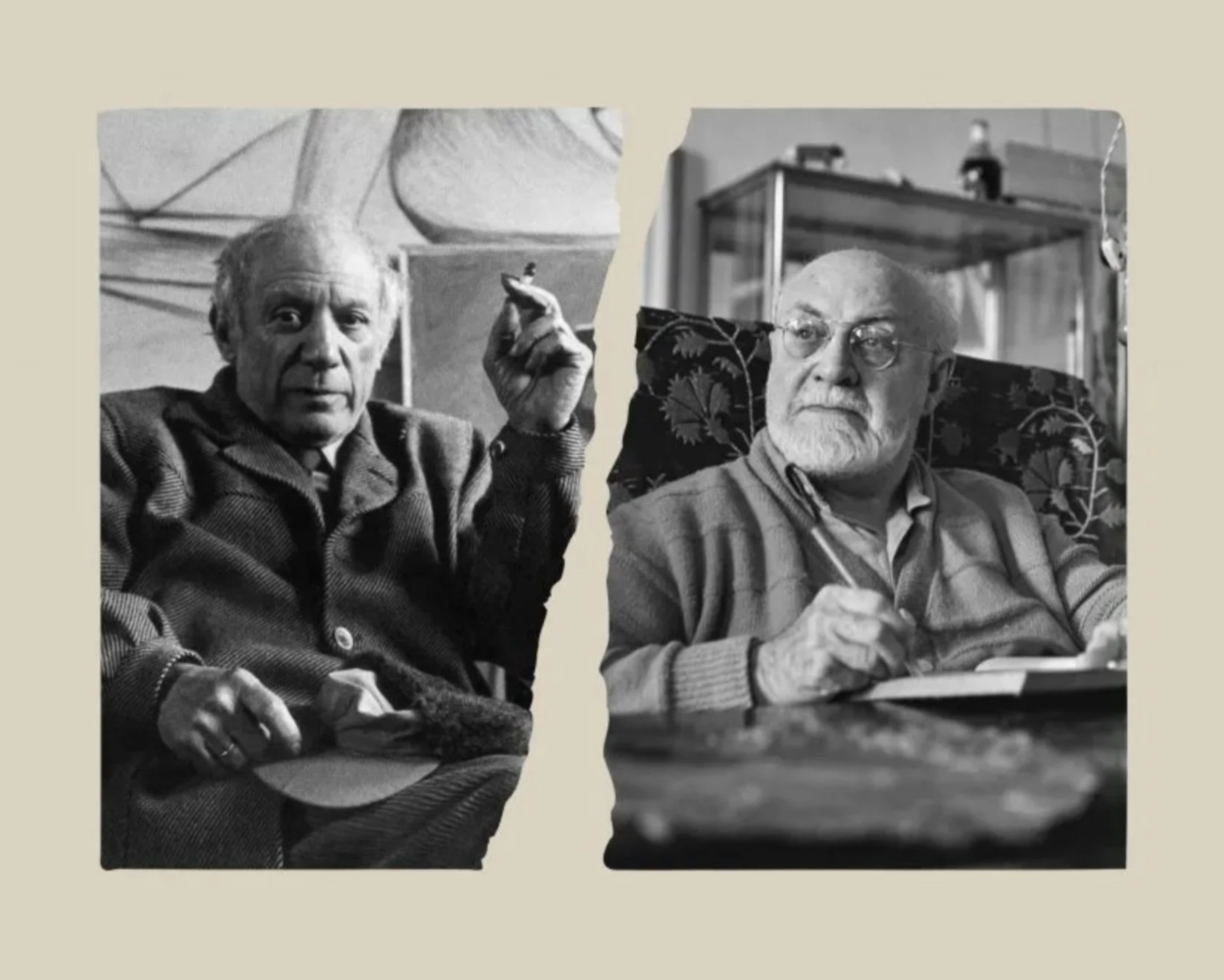
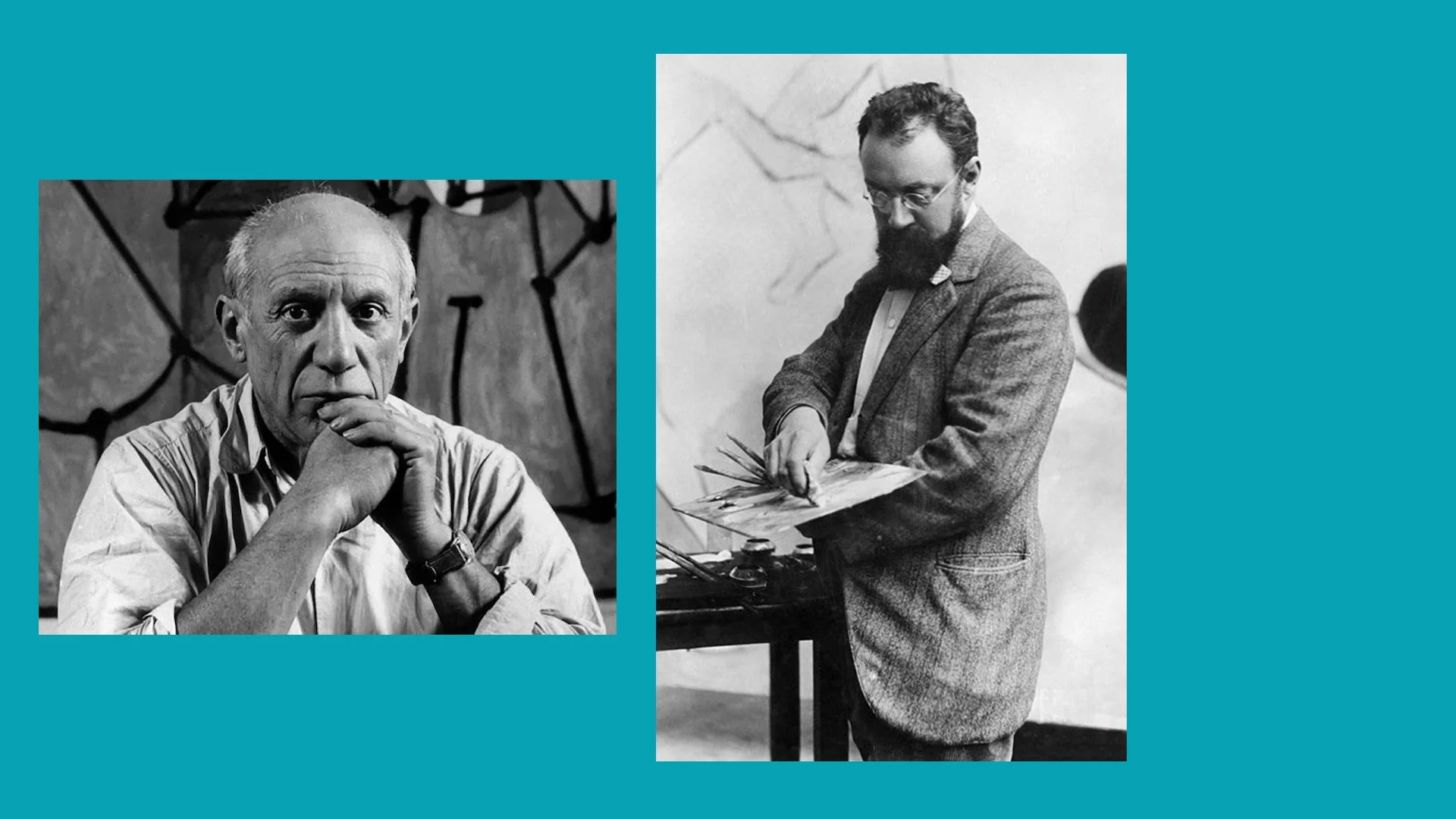
left: Pablo Picasso in his studio in Paris, c.1950. right: Henri Matisse in his living room in Vence, c.1948.
© Getty Images
▫▫▫▫▫▫
“Respect”
In their later years, when Matisse was largely bedridden and working on his cut-outs, Picasso would visit and they would talk for hours. By then the rivalry had mellowed into something closer to tenderness. Two old men who understood that no one else could quite grasp what the other had attempted. When Matisse died in 1954, Picasso is said to have wept and told friends that now he would have to carry on alone
▫▫▫▫▫▫
More History
For those of you who are intrigued by the history of these two legends, this is an interesting film. It is long (about an hour) and a bit clumsily translated, however it shows interesting footage and is quite informative.

GALLERY
▫
GALLERY ▫
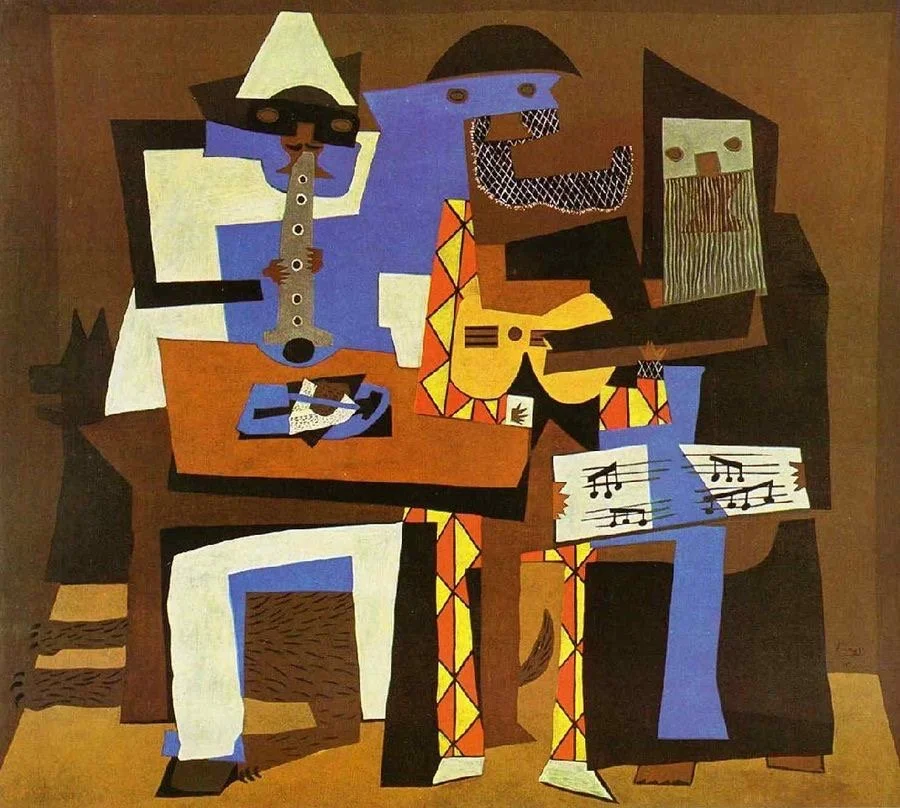
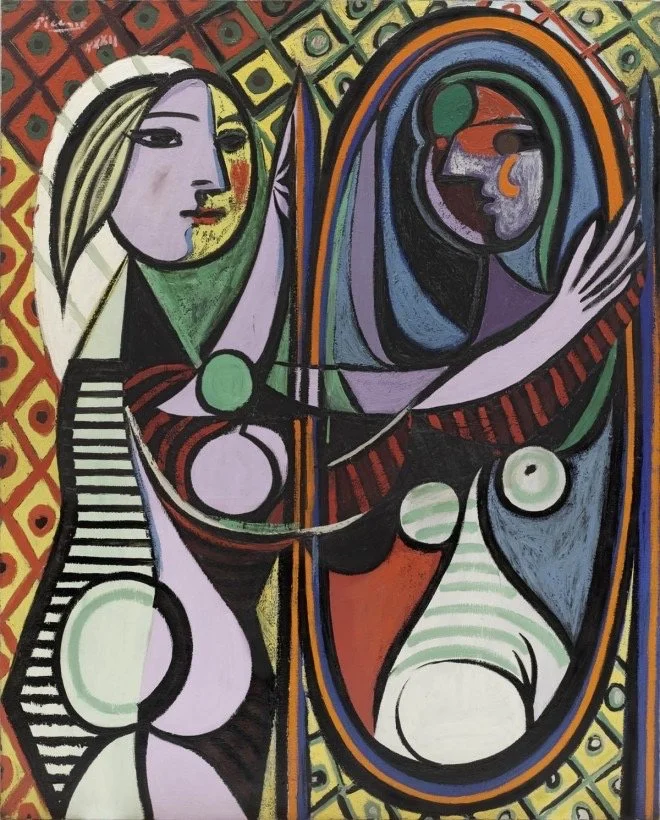
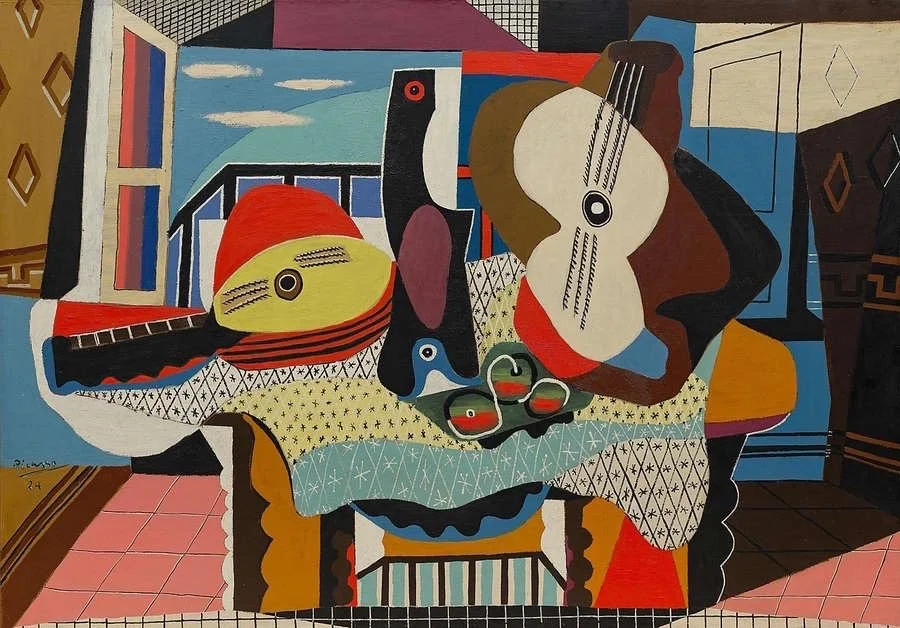
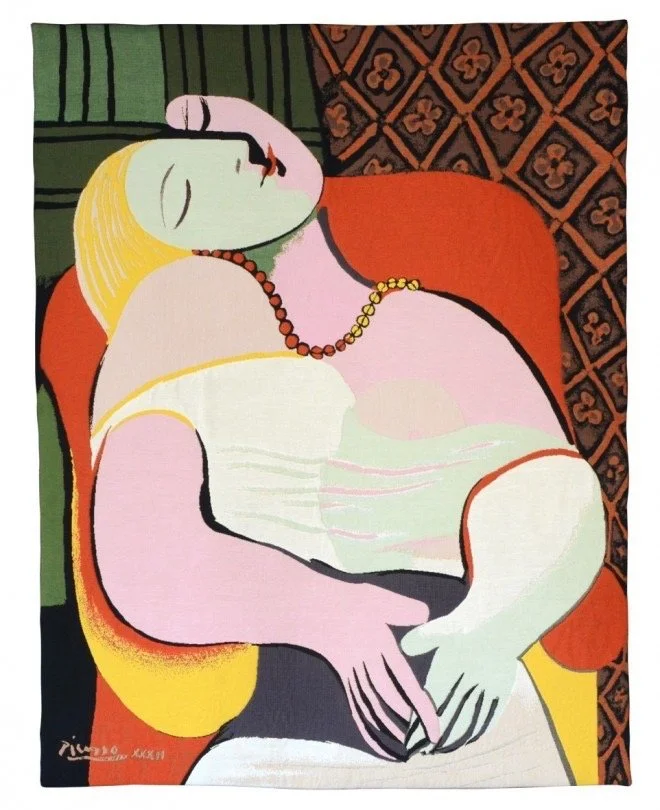
Picasso & Matisse
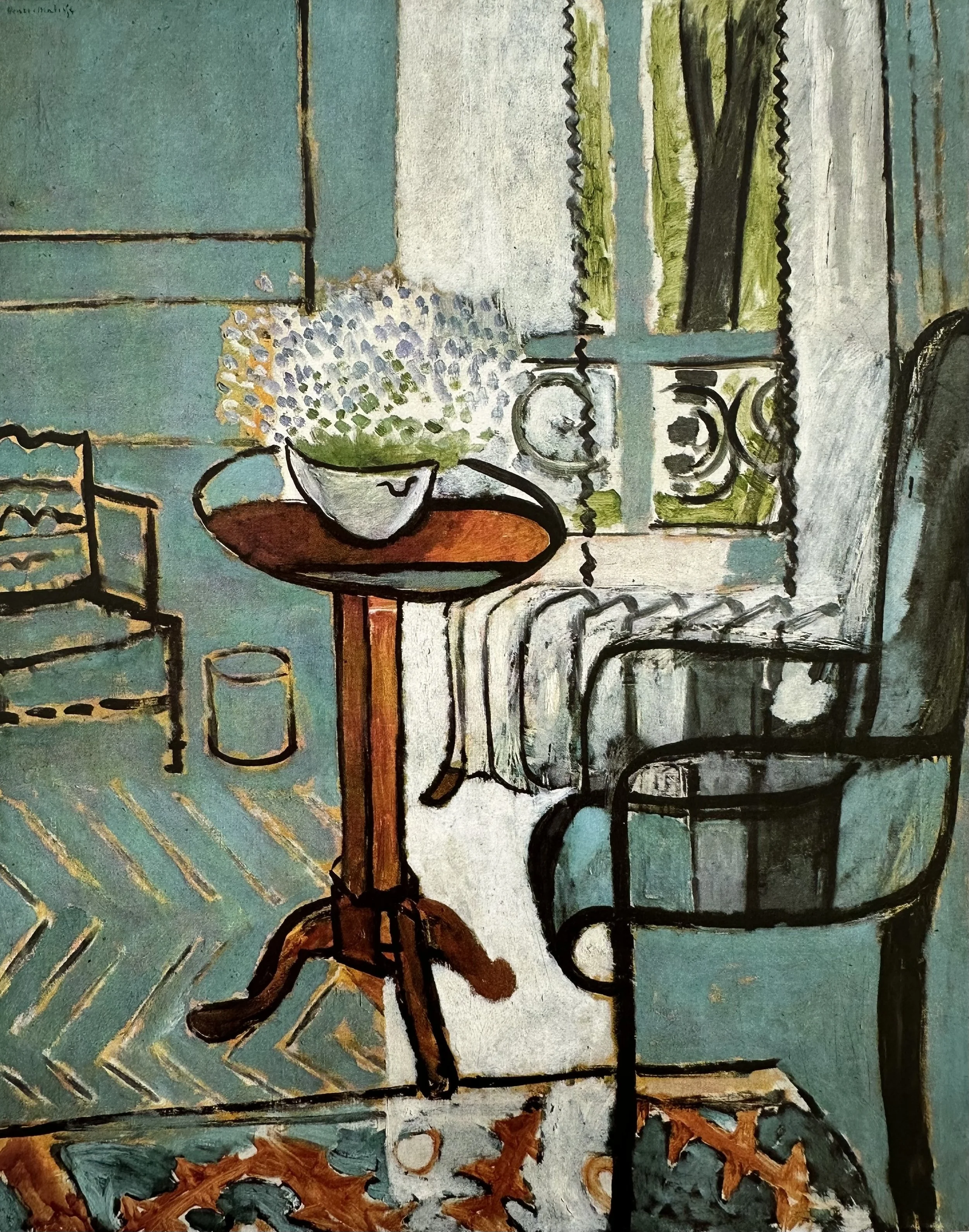
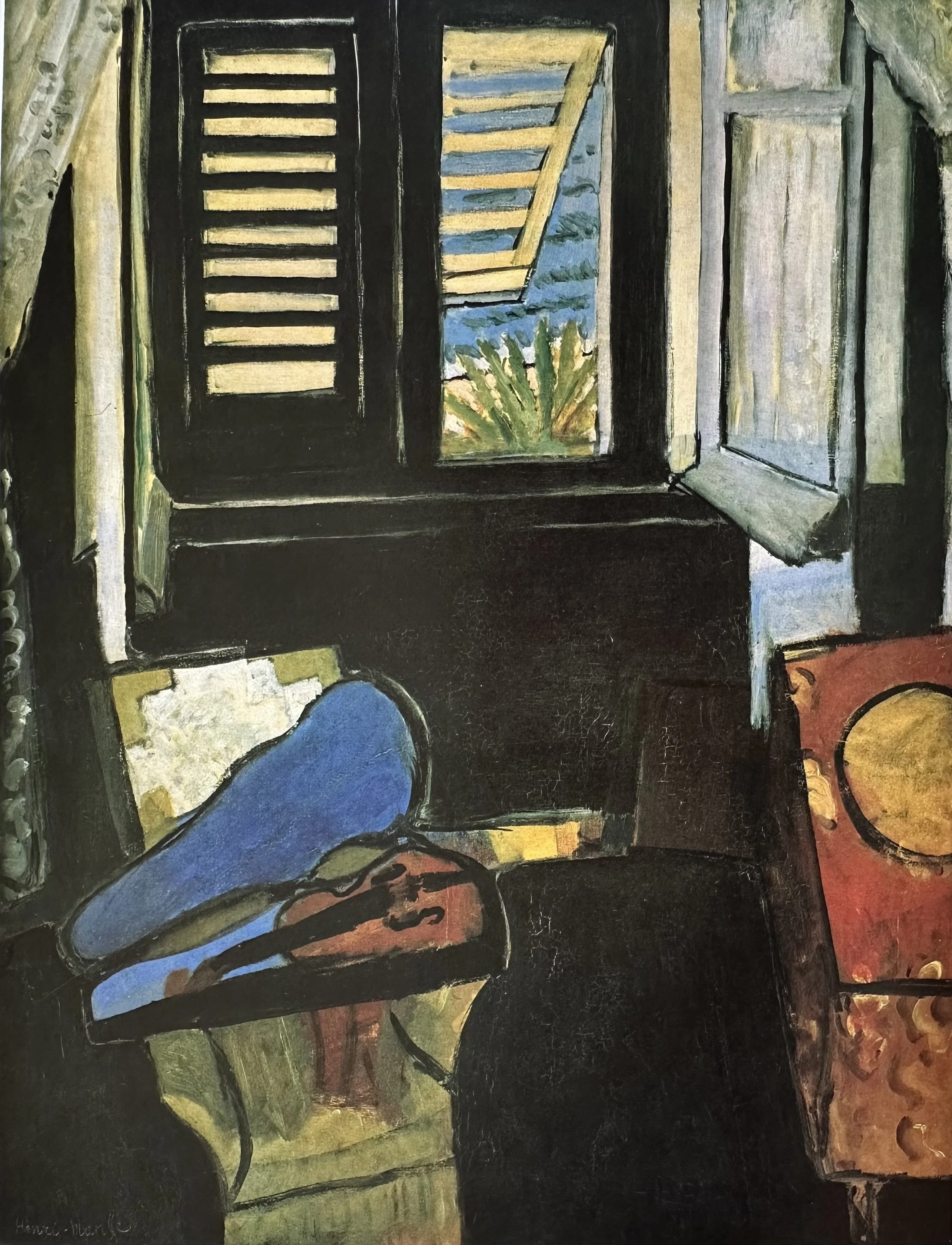
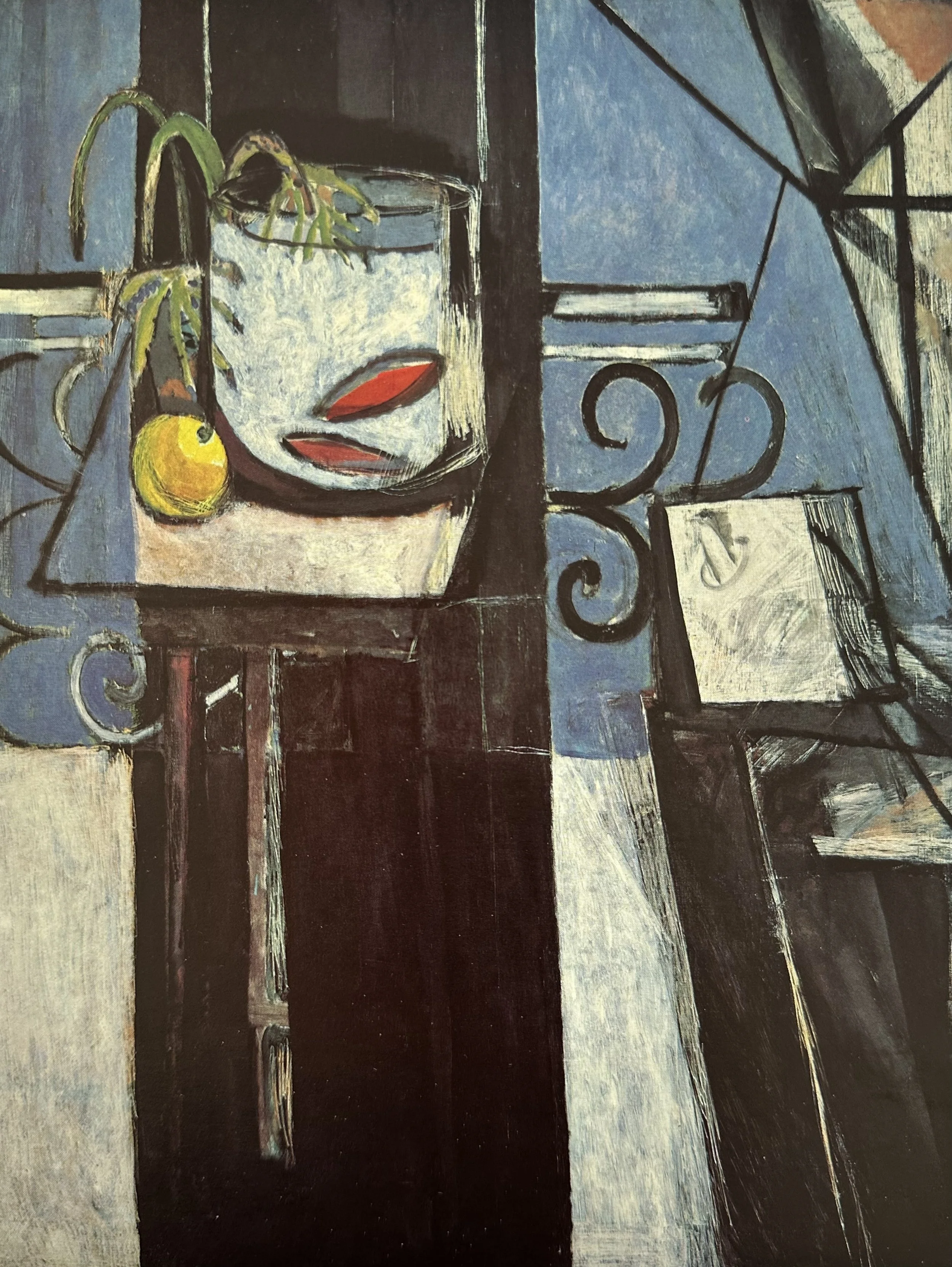
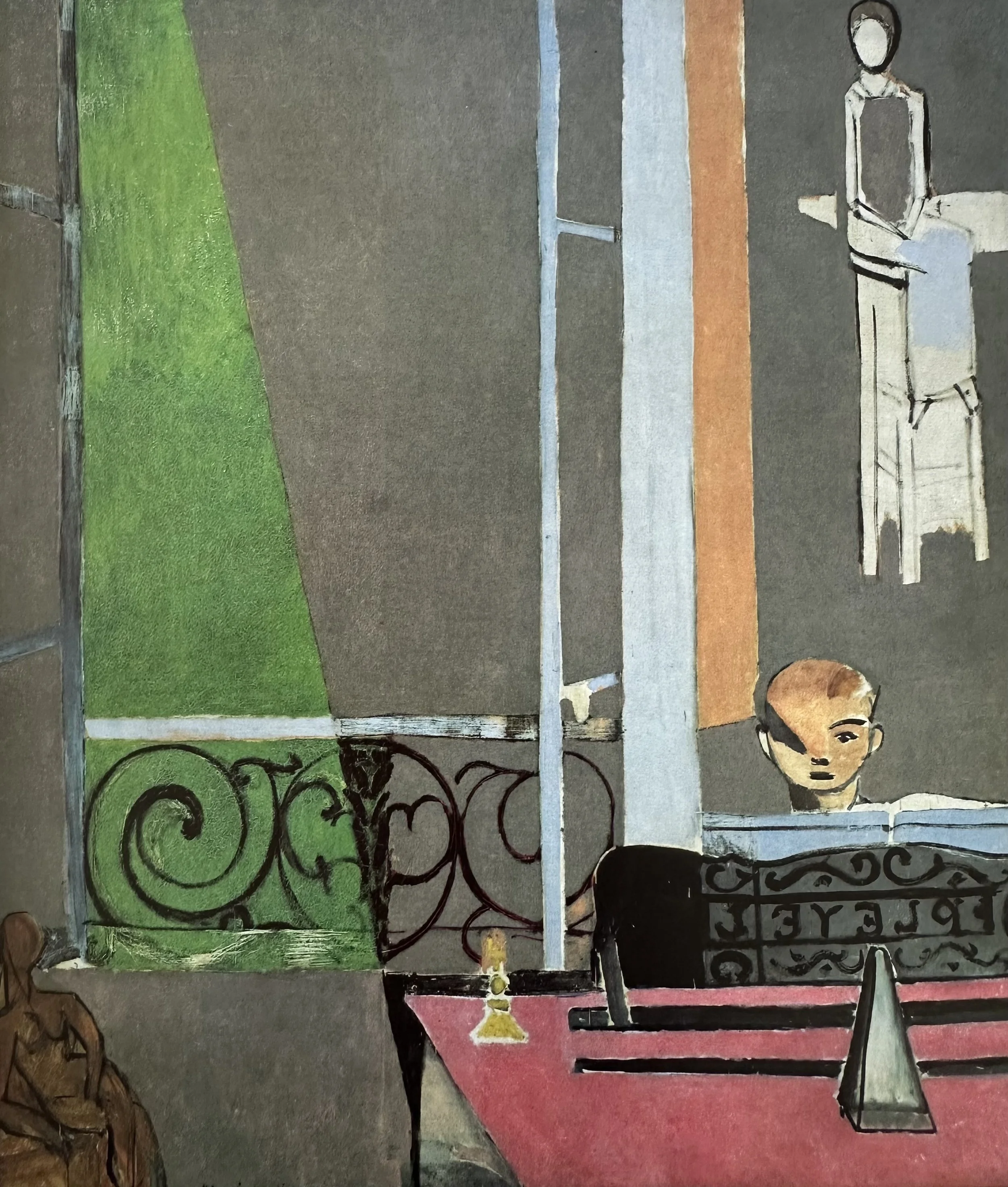
Can you spot the influences in each other’s work?
⇣ Click on any image to view larger ⇣

Project
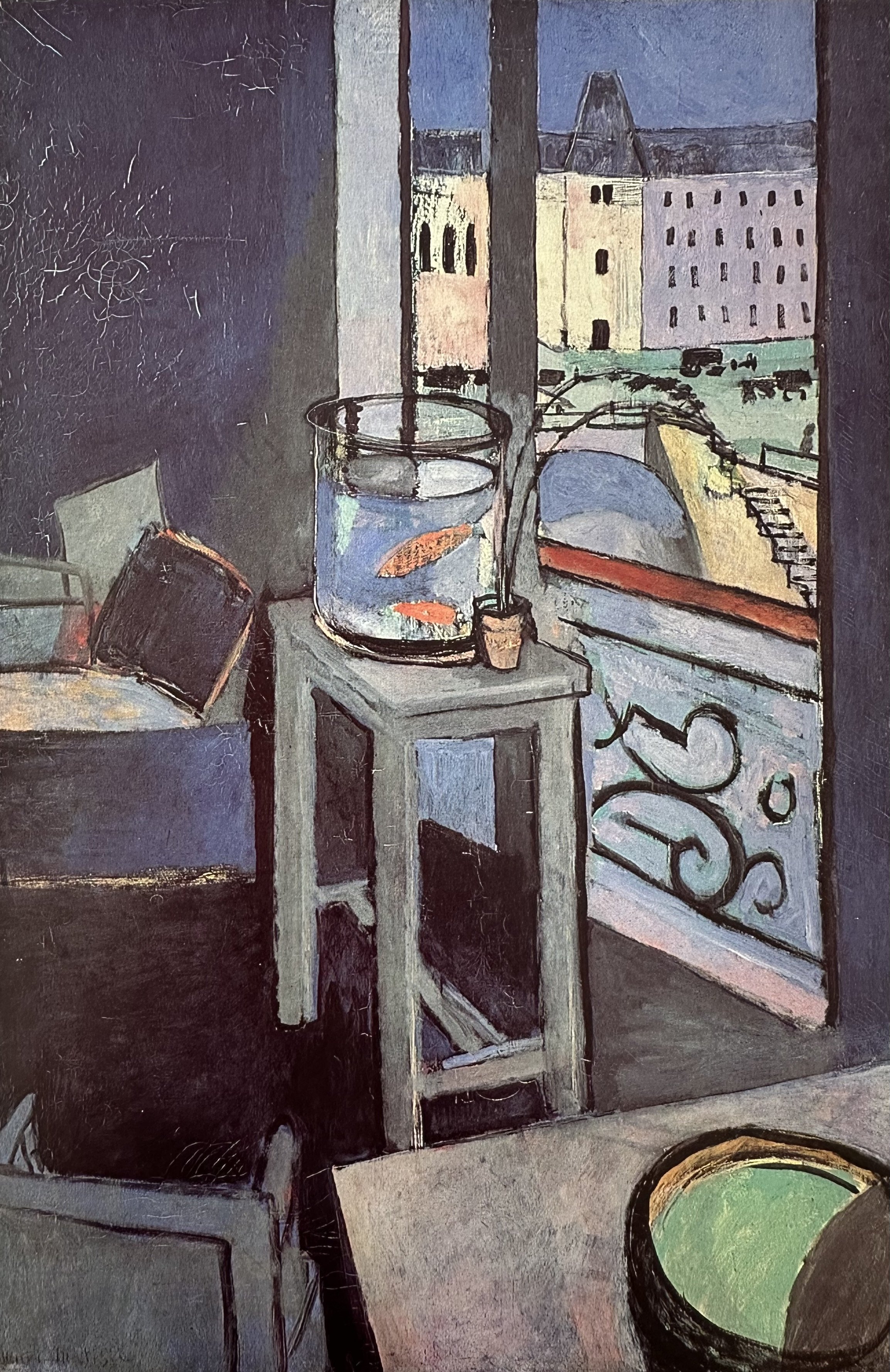
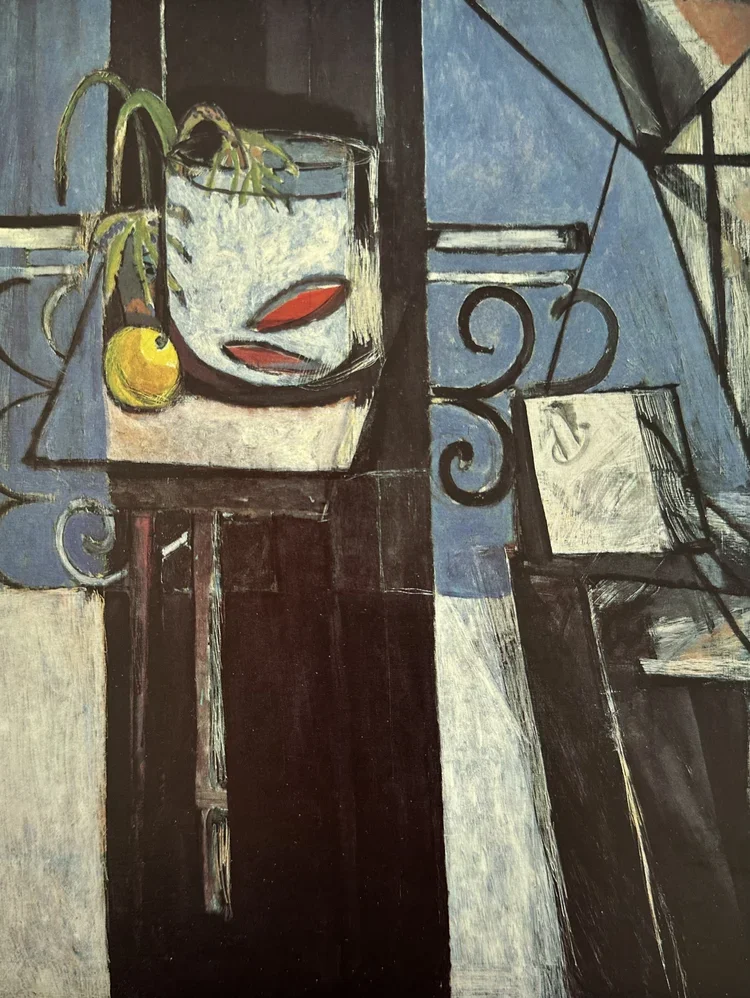
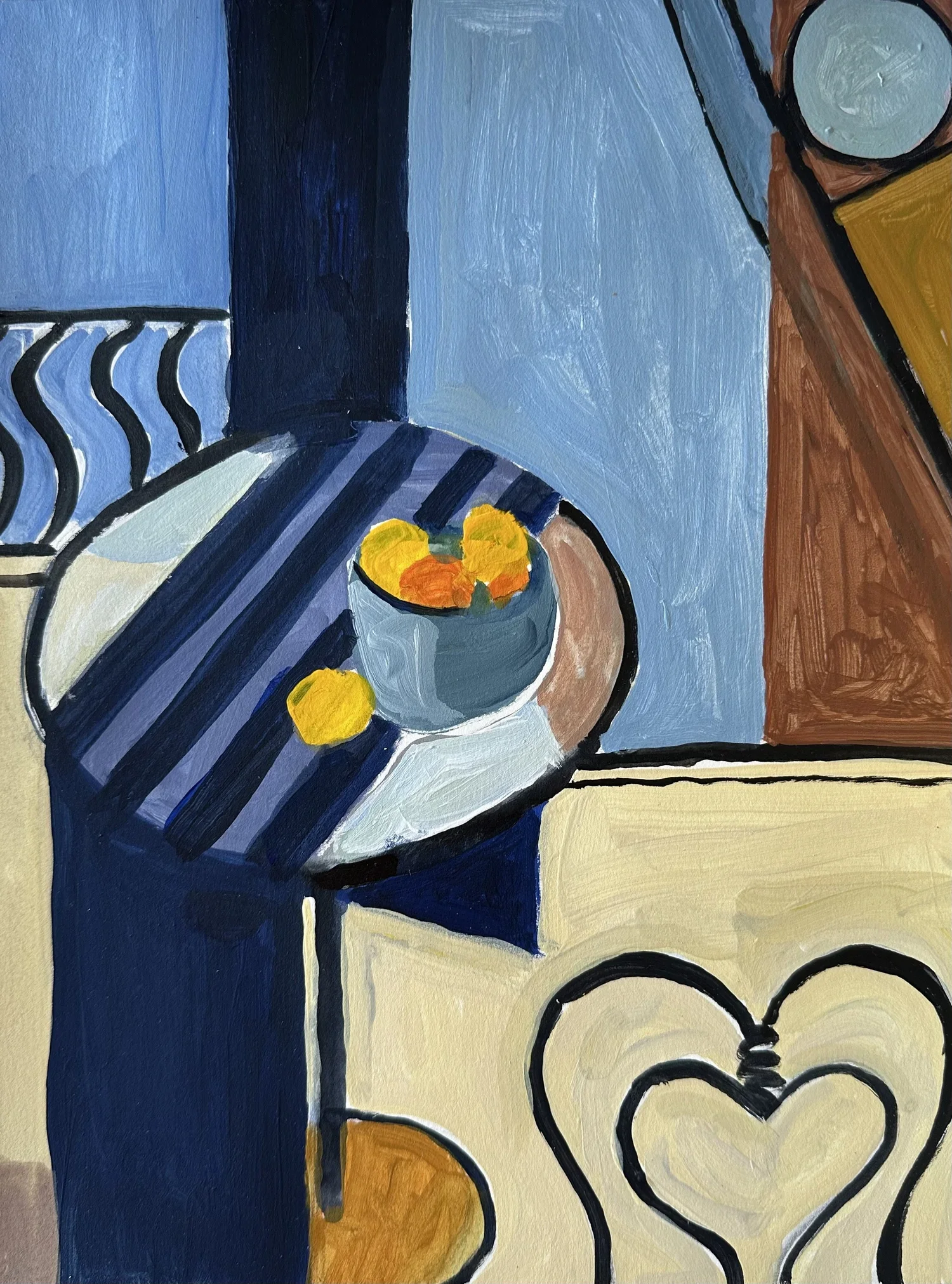
Matisse with a Tablespoon of Picasso
Matisse was clearly influenced by the Cubist movement although he never fully embraced it. Instead he developed his own viewpoint and style. He pushed further towards abstraction letting shapes become less object driven and more design or composition driven. He also continued to strive for simplification, editing out what was not needed.
In this project I take “Interior with Goldfish and Palette” as an inspirational jumping off point to create my own painting.
Video Password: Picasso
Video Length: 28:46 minutes
-
Let go of “realism” and lean towards simplifying shapes.
Think of Shape, Pattern and Line.
Look for ways to visualy connect your painting, such as with value, line and color.
Consider the Cubist concept of more than one view of the same object.
What are your emotions while painting this?

project
Everyday Objects can Tell a Story
Let’s look at how everyday objects can create some fun and playful paintings.
Video Password: Object
Video Length: 12:47 minutes
GALLERY
▫
GALLERY ▫
Diane Warner-Wang
⇣ Click on any image to view full painting ⇣
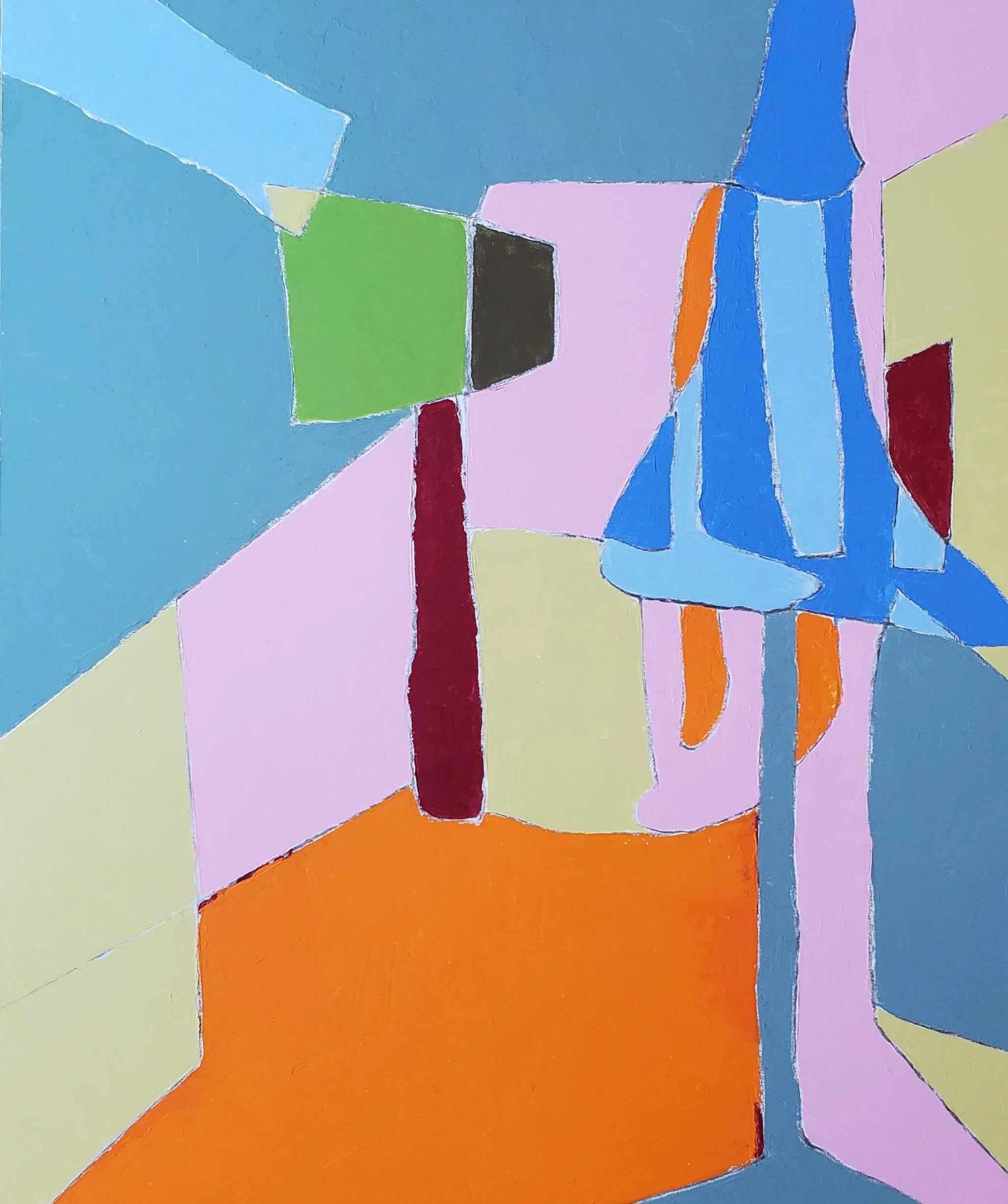
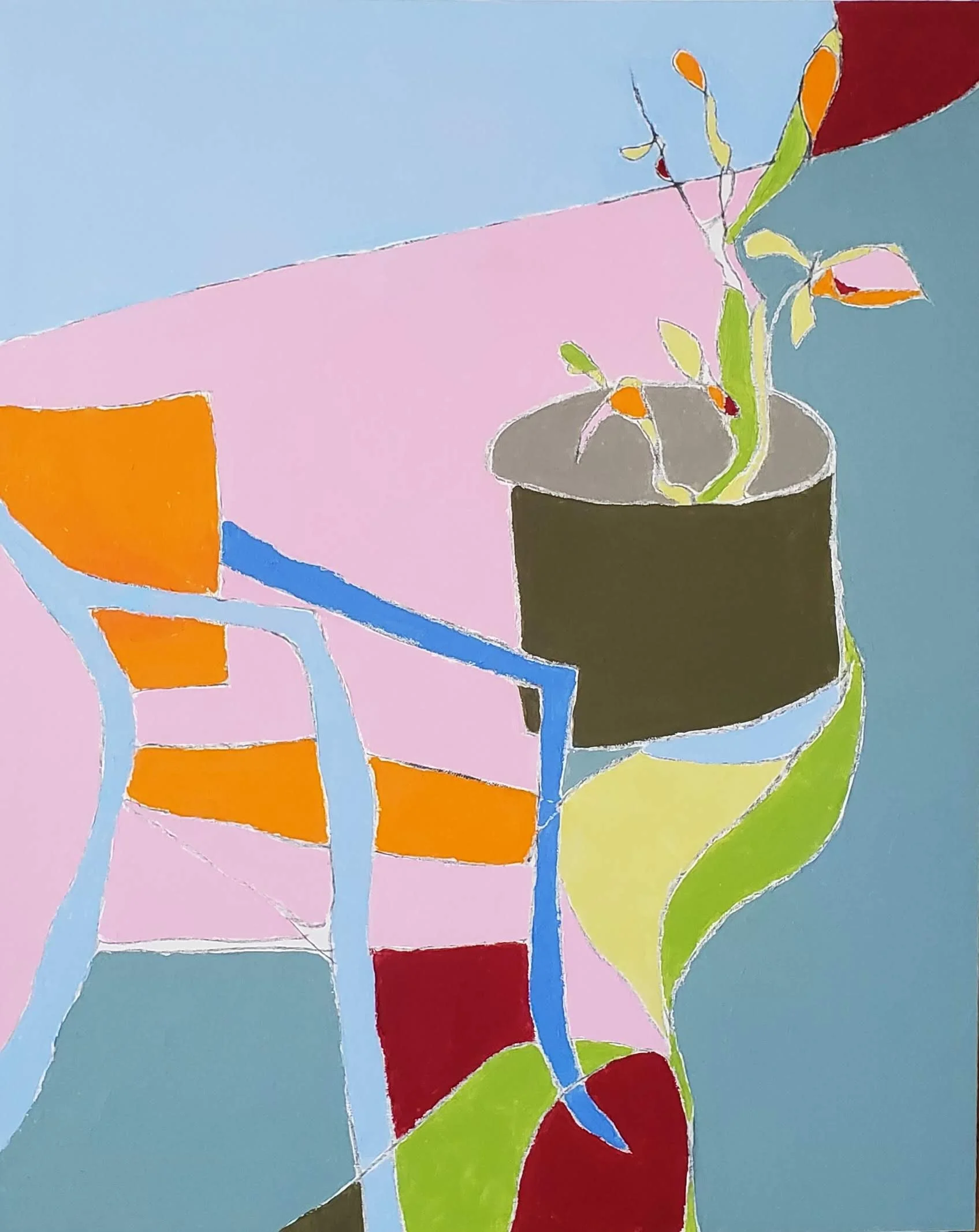
-
Use color boldly. Ignore color theory rules and see what happens when you break them.
Be aware of how the colors, shapes, lines, and values move your eyes around the painting.
Try to flatten the object with no or very little modeling (no shadows).
Look at what your painting needs as you work. Let go of directly copying the object.
Consider dividing negative spaces into flat color shapes.
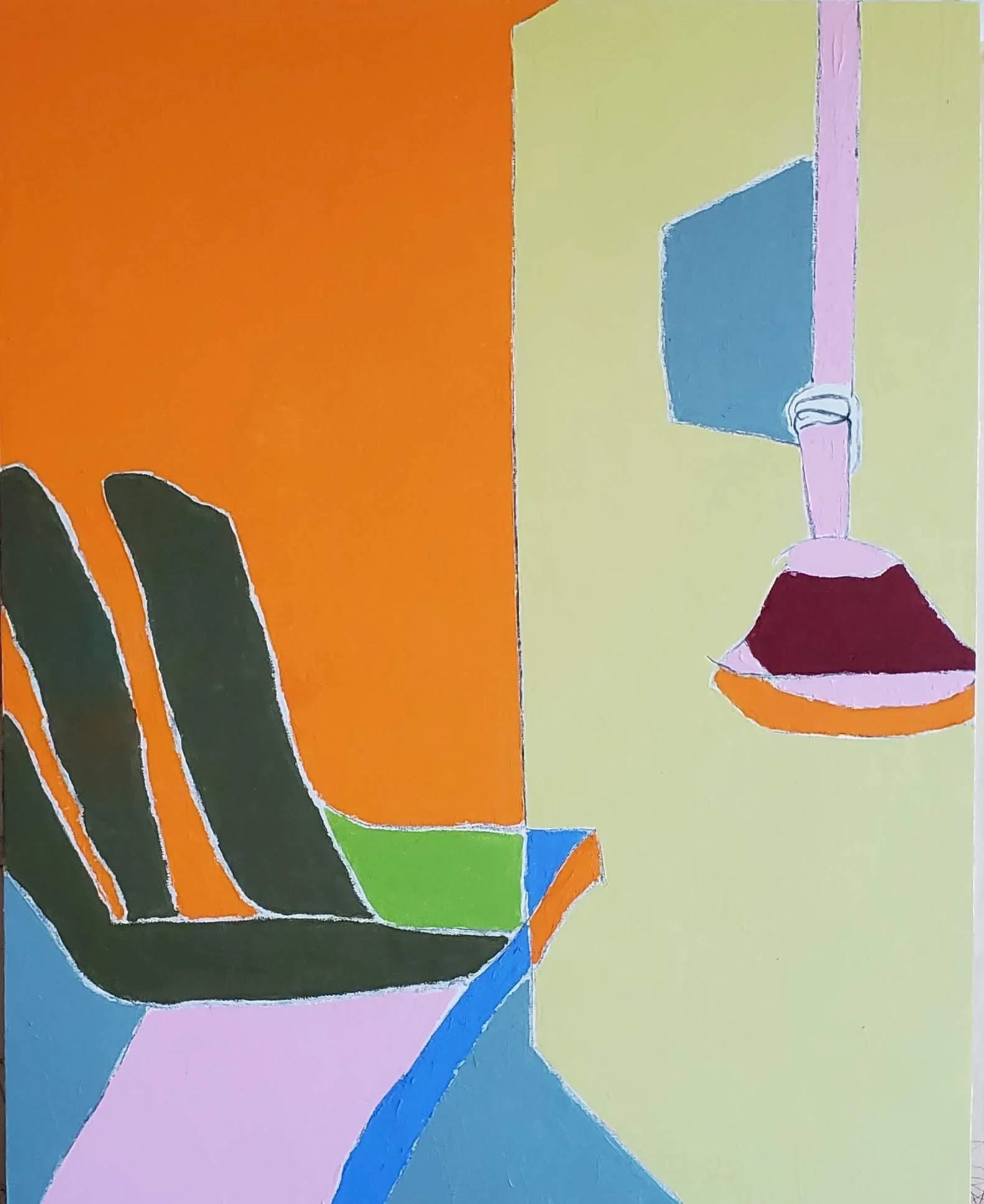
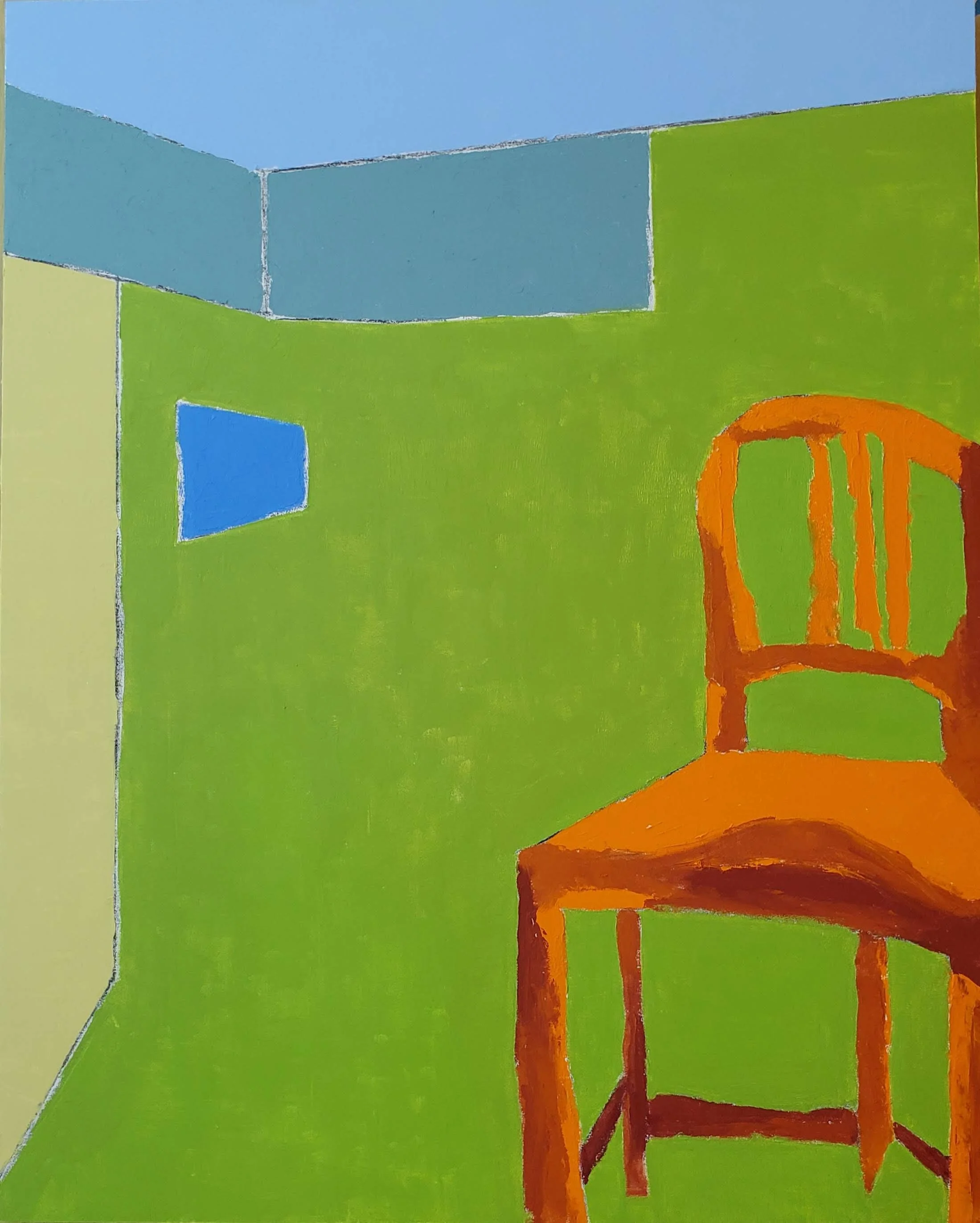
Alternatively, consider painting your objects within a space that is made of a dominant color. (Such as Matisse’s “The Red Studio” or Diane’s “The Green Room with Orange Chair” above).
