LESSON FIVE
The FIGURE
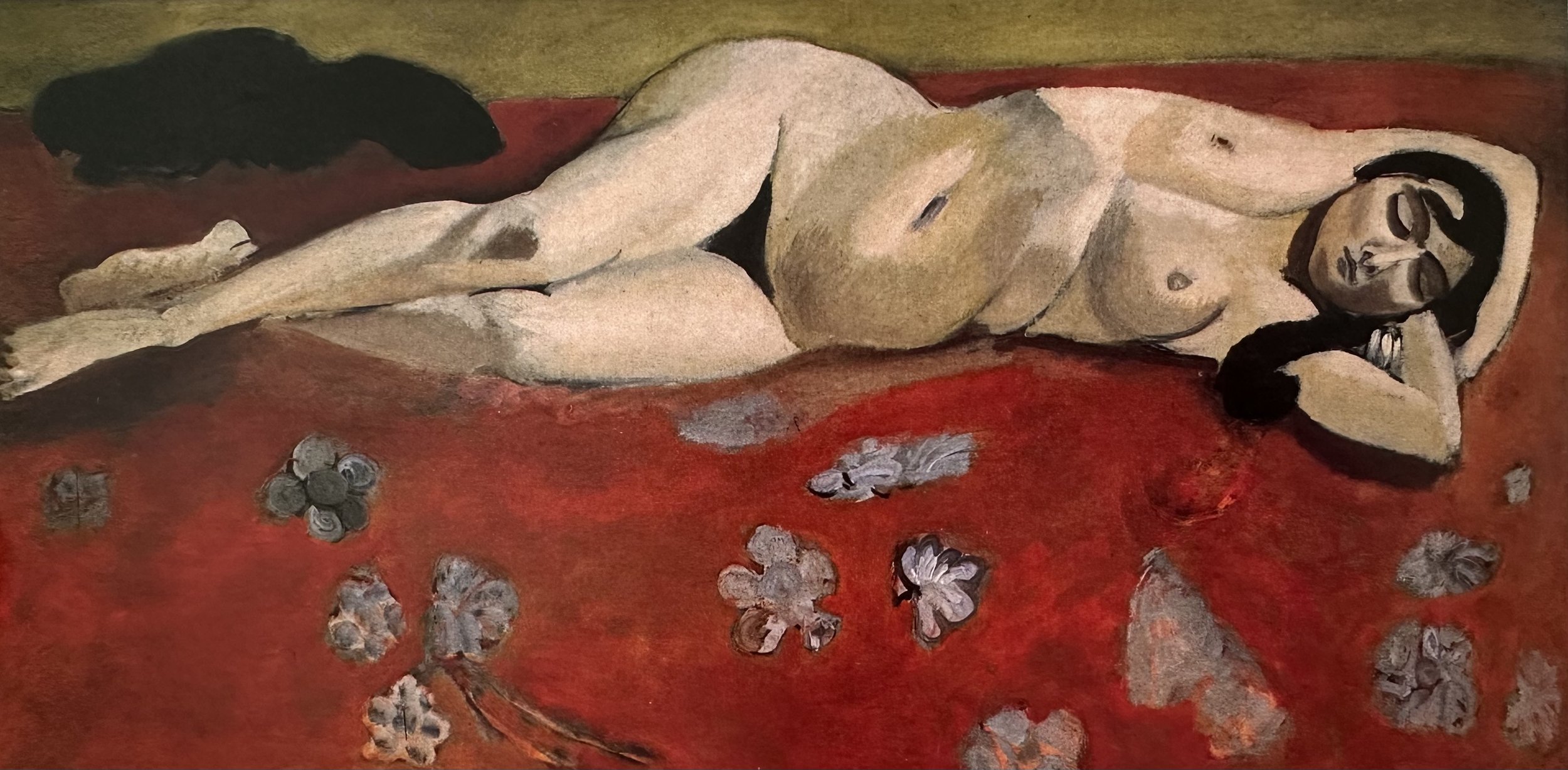
Matisse’s Fascination with the Figure
“What interests me most is neither still life nor landscape, but the human figure. It is that which best permits me to express my almost religious awe towards life. I do not insist upon all the details of the face, on setting them down one-by-one with anatomical exactitude. If I have an Italian model who, at first appearance, suggests nothing but a purely animal existence, I nevertheless discover his essential qualities, I penetrate amid the lines of the face those which suggest the deep gravity which persists in every human being.”
Searching for the Essence
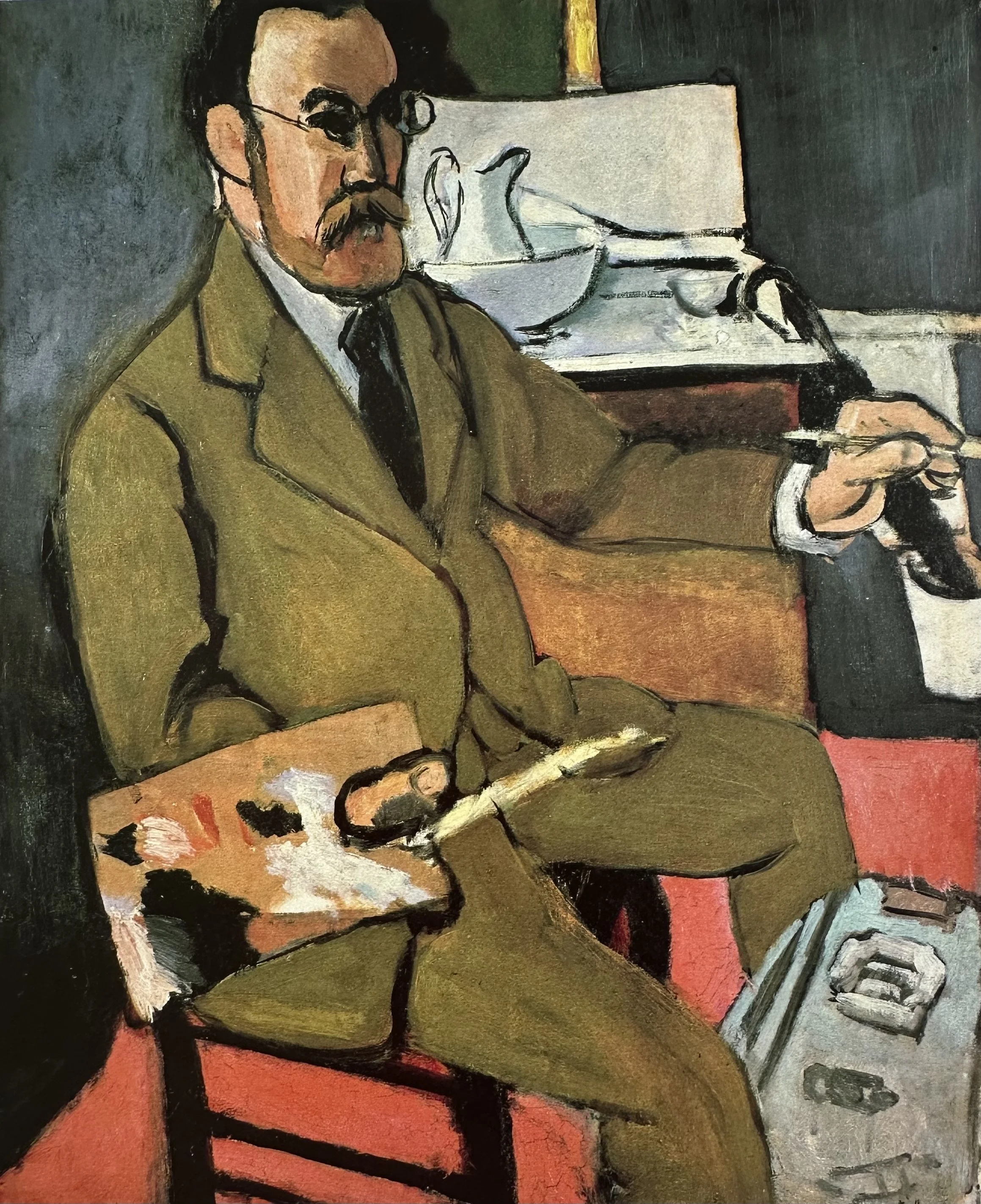
Matisse never treated the figure as an isolated anatomical subject. He thought of the human form as one element within a larger decorative whole, as much a shape, a color mass, or a rhythmic element as the patterned wallpaper or the vase beside it. The figure earned its place in the composition by contributing to the overall harmony, not by demanding special attention as a human presence. He wanted neither figure nor background to dominate; both should carry equal visual weight.
These concepts led him to think in terms of masses rather than anatomy. Where academic training taught artists to understand and render the body's structural logic, Matisse worked to dissolve that specificity, finding the essential silhouette, the weight, the gesture, and letting the rest go. His famous pen and ink nudes are extraordinary precisely because so little information produces such a vivid sense of a body.
His guiding principle, if there was one, was feeling over correctness, and nowhere is that more evident than in how he approached the figure: not as a problem to be solved technically, but as an emotional presence to be found.

Matisse and the Figure
Matisse would include the figure in intricate and complicated compositions as well as isolate it and reduce the figure to the essence of its form. Let’s look at how these ideas developed over the years.
Video Password: Figure
Video Length: 19:53 minutes
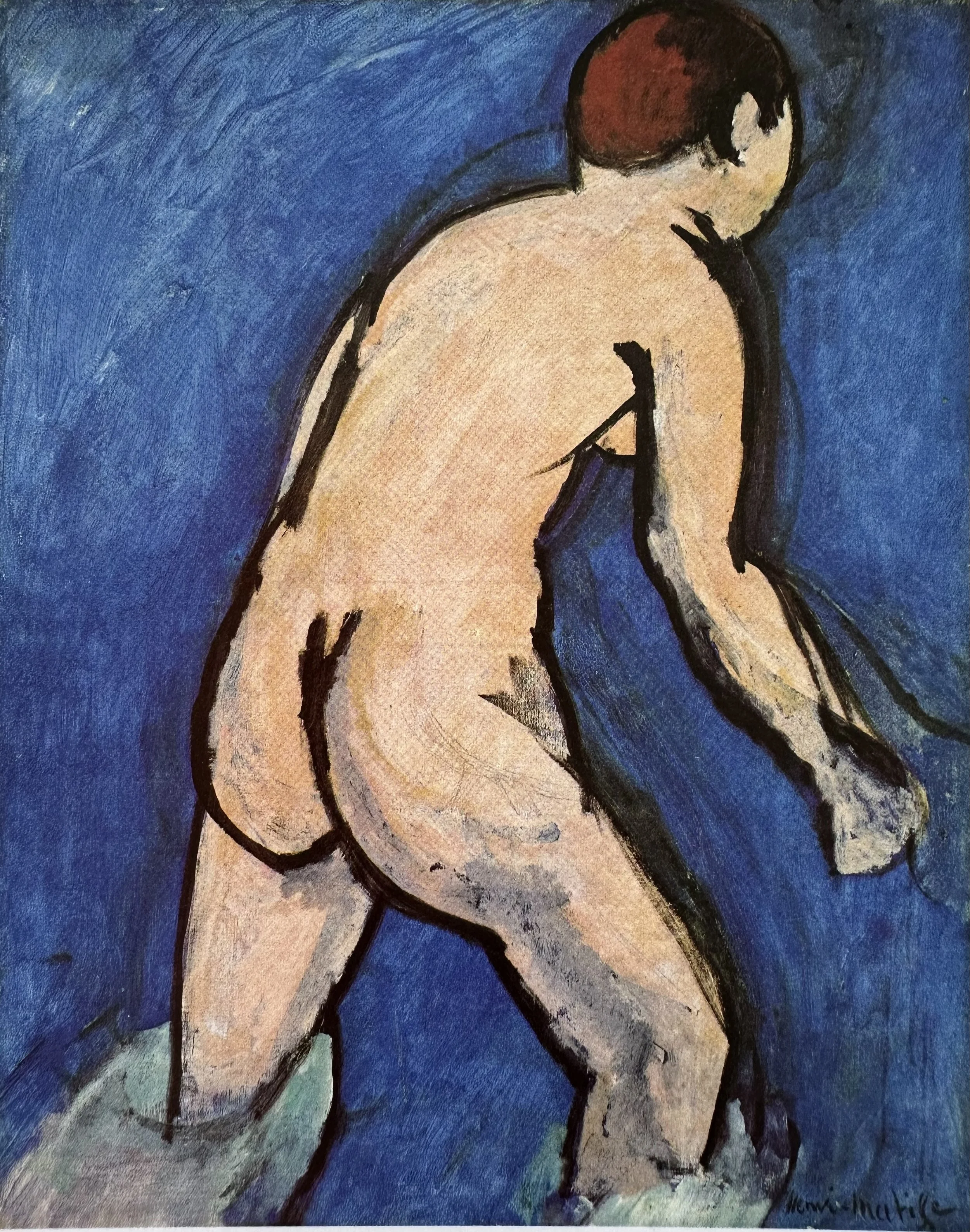
A Closer Look at Henri Matisse’s Bather
Join two top experts at The Museum of Modern Art (MoMA) for an in-depth look at this painting and Matisse’s process. Click on the link below to read the full article. It is well worth reading (or at least skimming) to fully understand his process.
“Despite the apparent simplicity of Matisse’s 1909 painting there’s more here than meets the eye.”
“(Matisse) always wanted painting to look effortless and to achieve these effects of apparent simplicity during this period. But in reality, you can see how he labored exhaustingly to achieve what he called an “art of balance.” What’s fascinating about this painting is that the process is very clear here. Even though he wanted this very apparent simplicity as the final product, you see the struggle.”
“Matisse is not painting an object, but the sensation of that object or that experience.”

Click on the MOMA logo to read the full article. NOTE: It will take you to the END of the article. Scroll up to the TOP when you get to the page to see the entire article.

Project
Painting the Figure
Under the Influence of Matisse
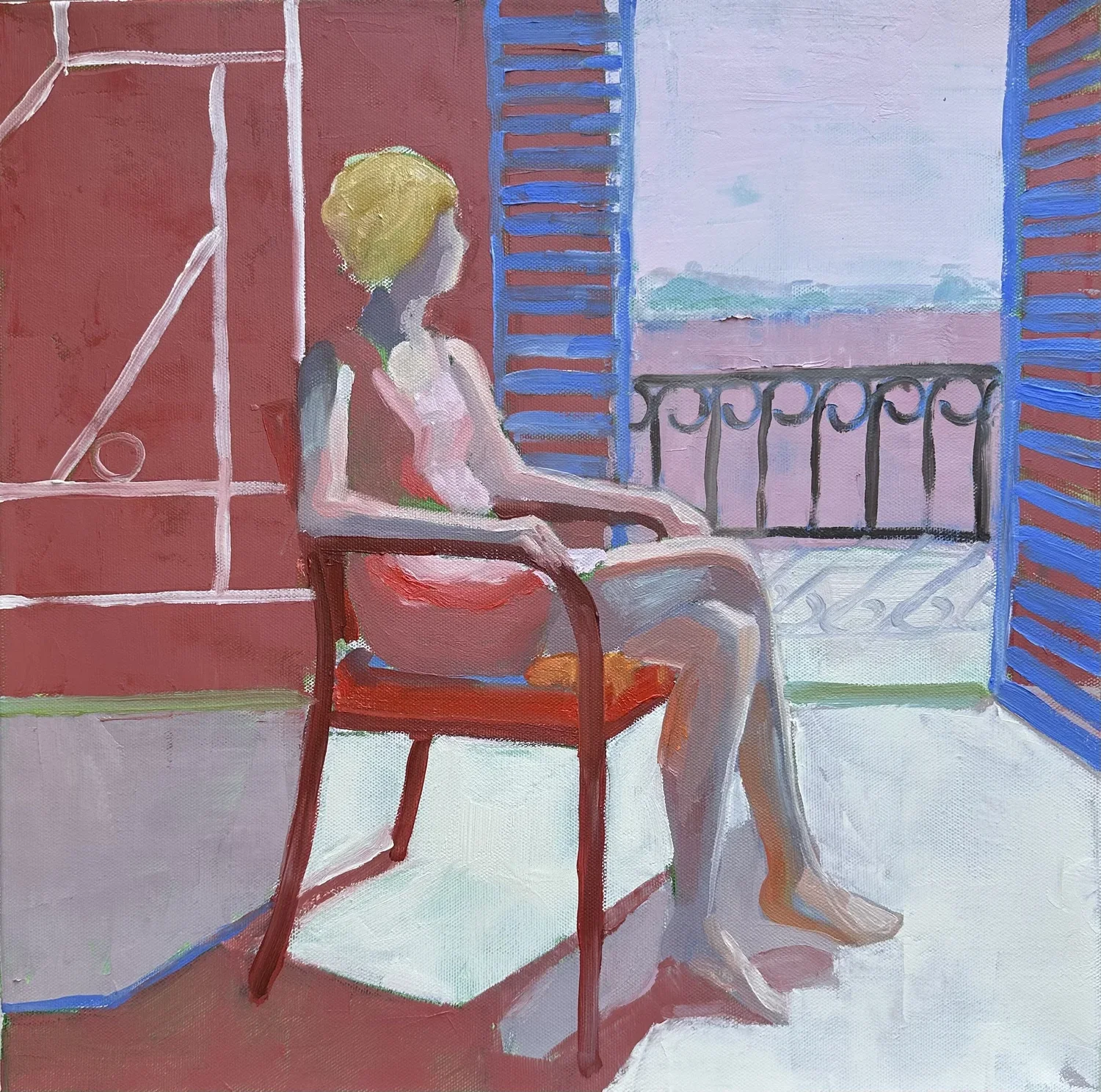
In this project I use a photograph as a source for my figure and light. For the rest of the painting I use my imagination to create the “environment” where the figure exists. My focus is on giving the figure and “background” equal importance.
PROJECT: Part One
Video Password: One
Video Length: 22:05 minutes
This video is divided into two parts for ease of downloading.
PROJECT: Part Two
Video Password: Two
Video Length: 20:10 minutes
-
Black, Van Dyke Brown, Ultramarine Blue, Cerulean Blue, Viridian, Transparent Red Oxide, Quinacridone Red, Cadmium Red Light, Cadmium Orange, Cadmium Yellow Medium, Cadmium Lemon, Titanium White, Titanium Buff, Gold Ochre, Gamblin’s Warm Grey, Cold Wax Medium

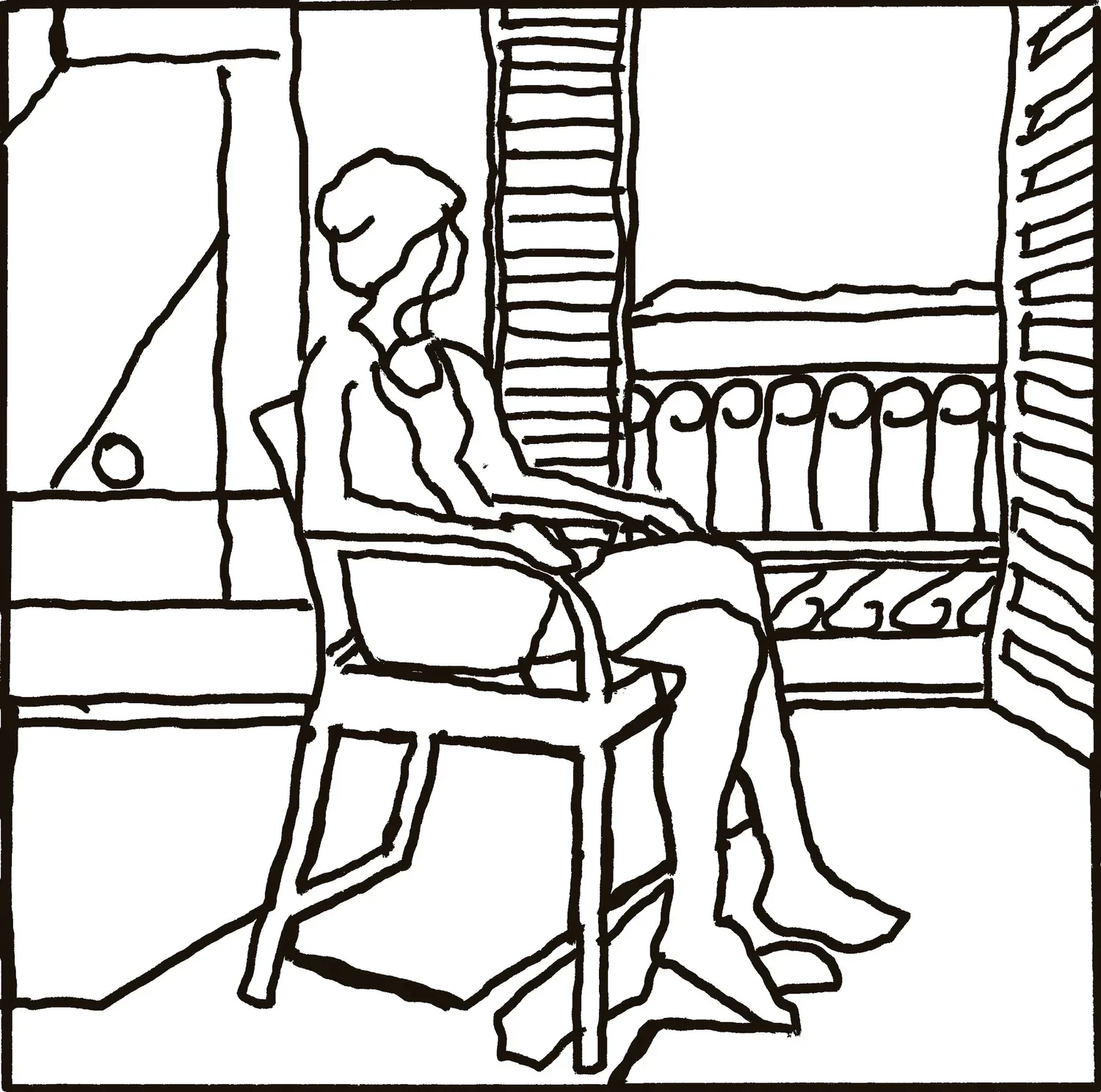
-
Try to give the figure and the background equal importance.
Expressing feeling is more important than acuracy.
Recognize the shapes in your work and how they relate to each other and to the picture plane.
Try using a unifying color.
Try using pattern. (I did not, but you can!)
Consider using line in your figure painting (like in the Bather).
Project
The Essence of the Figure
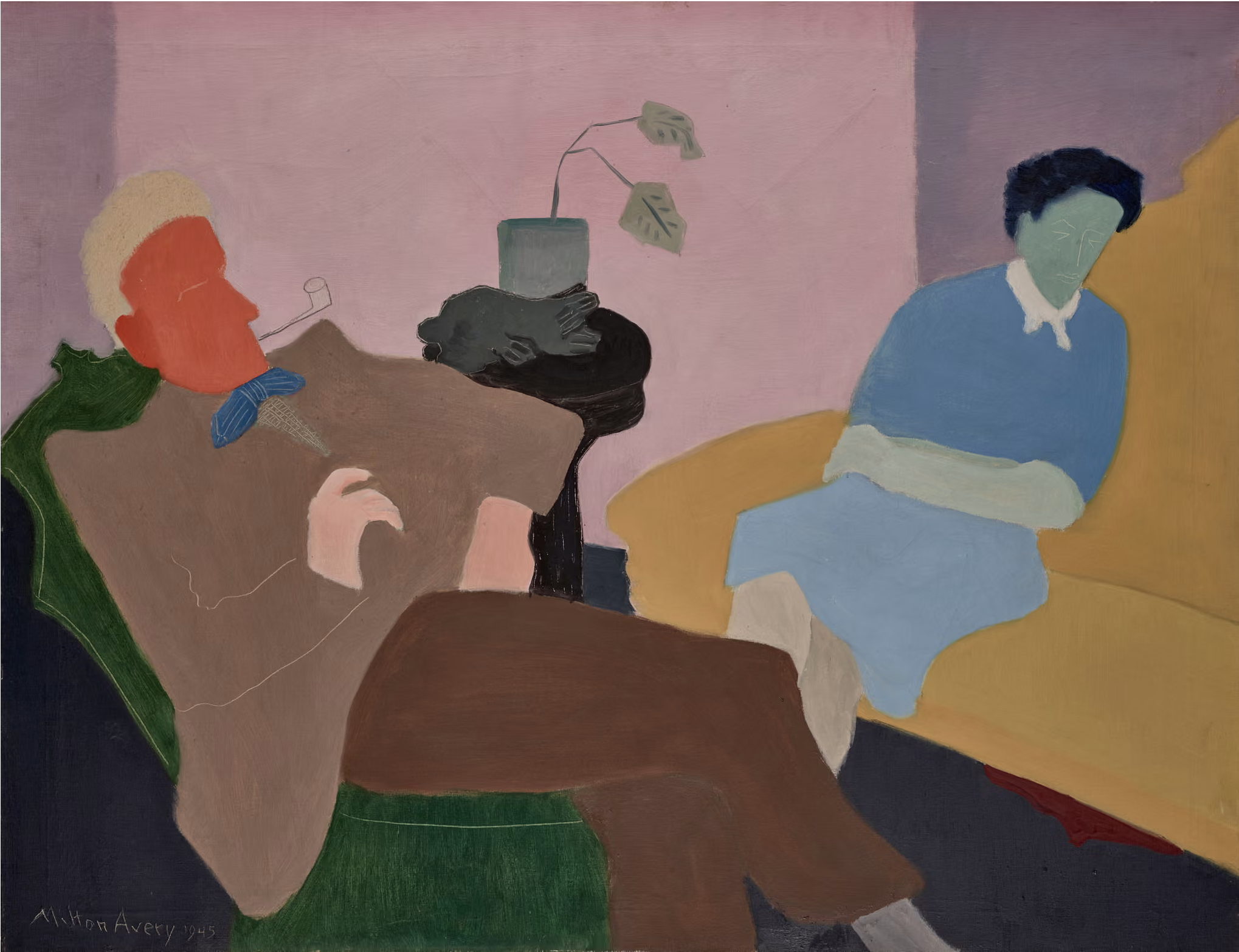
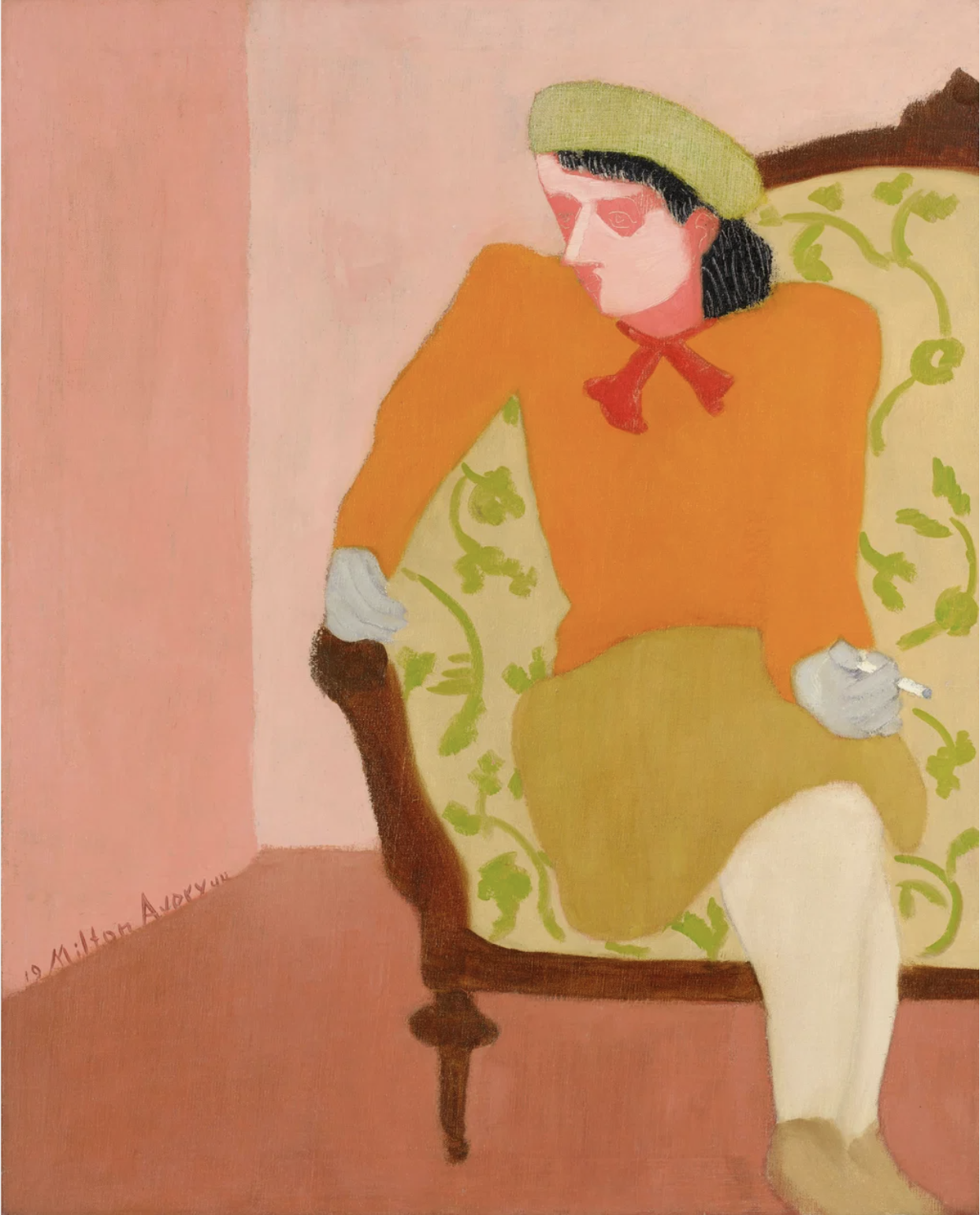
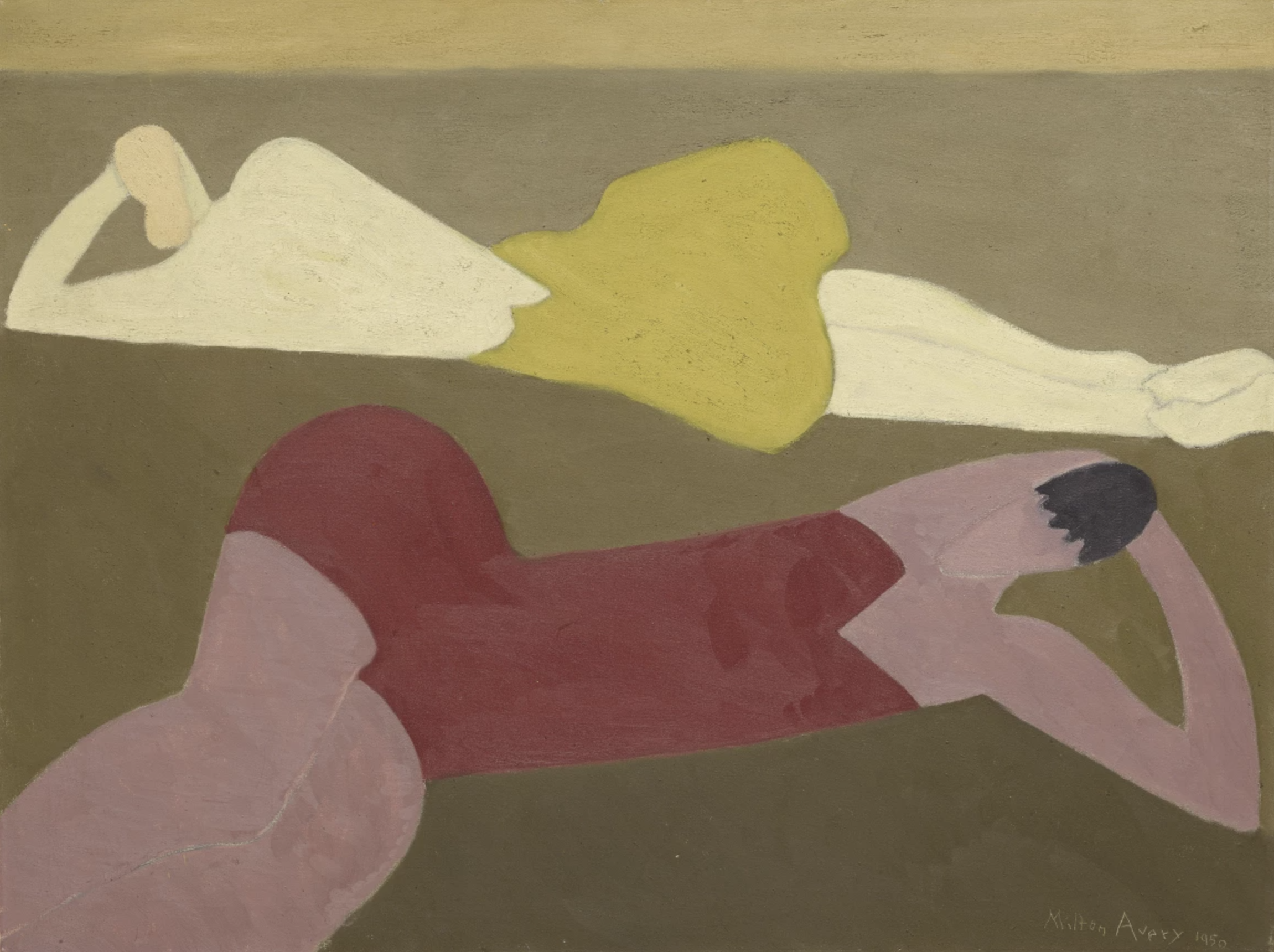
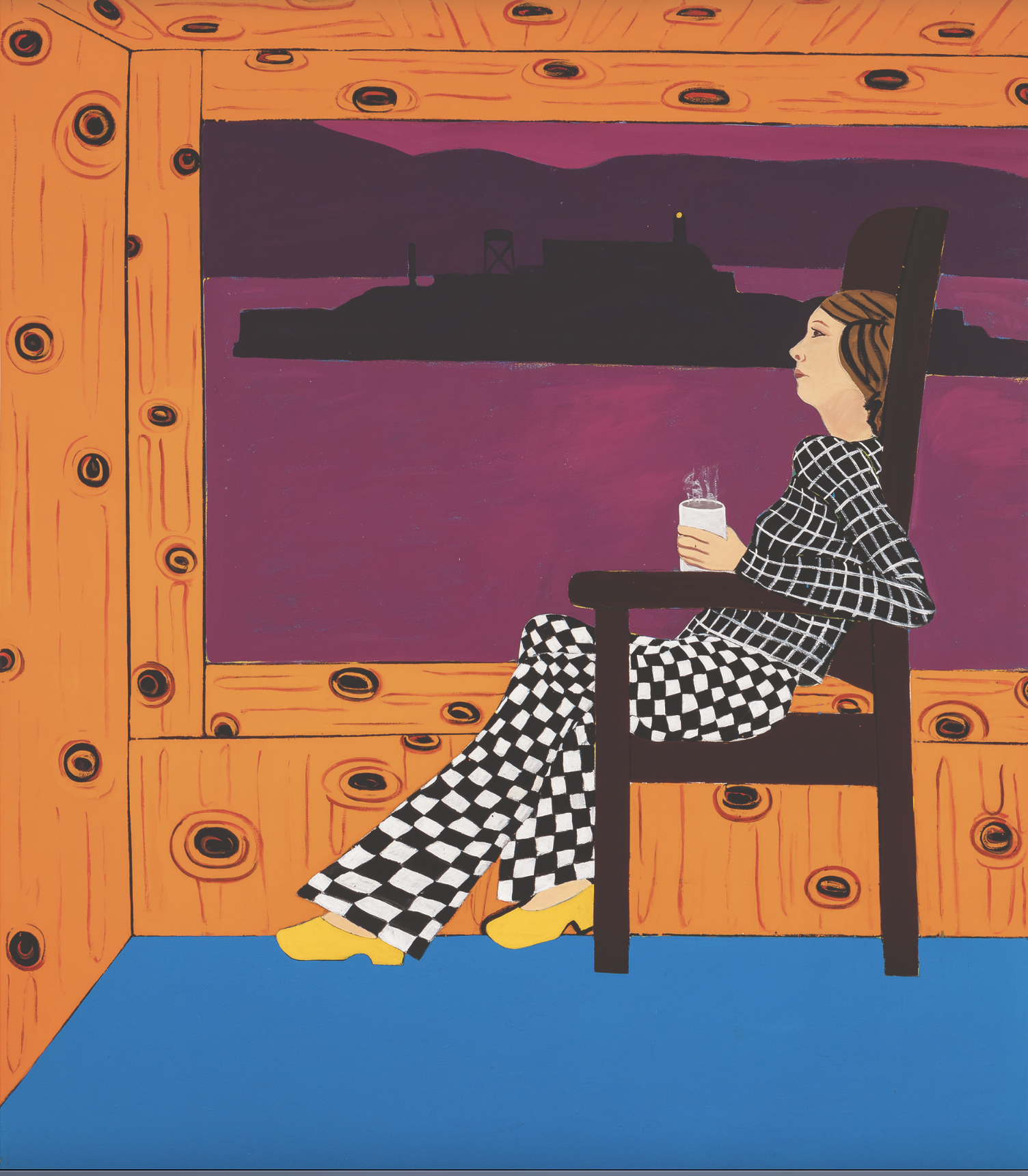
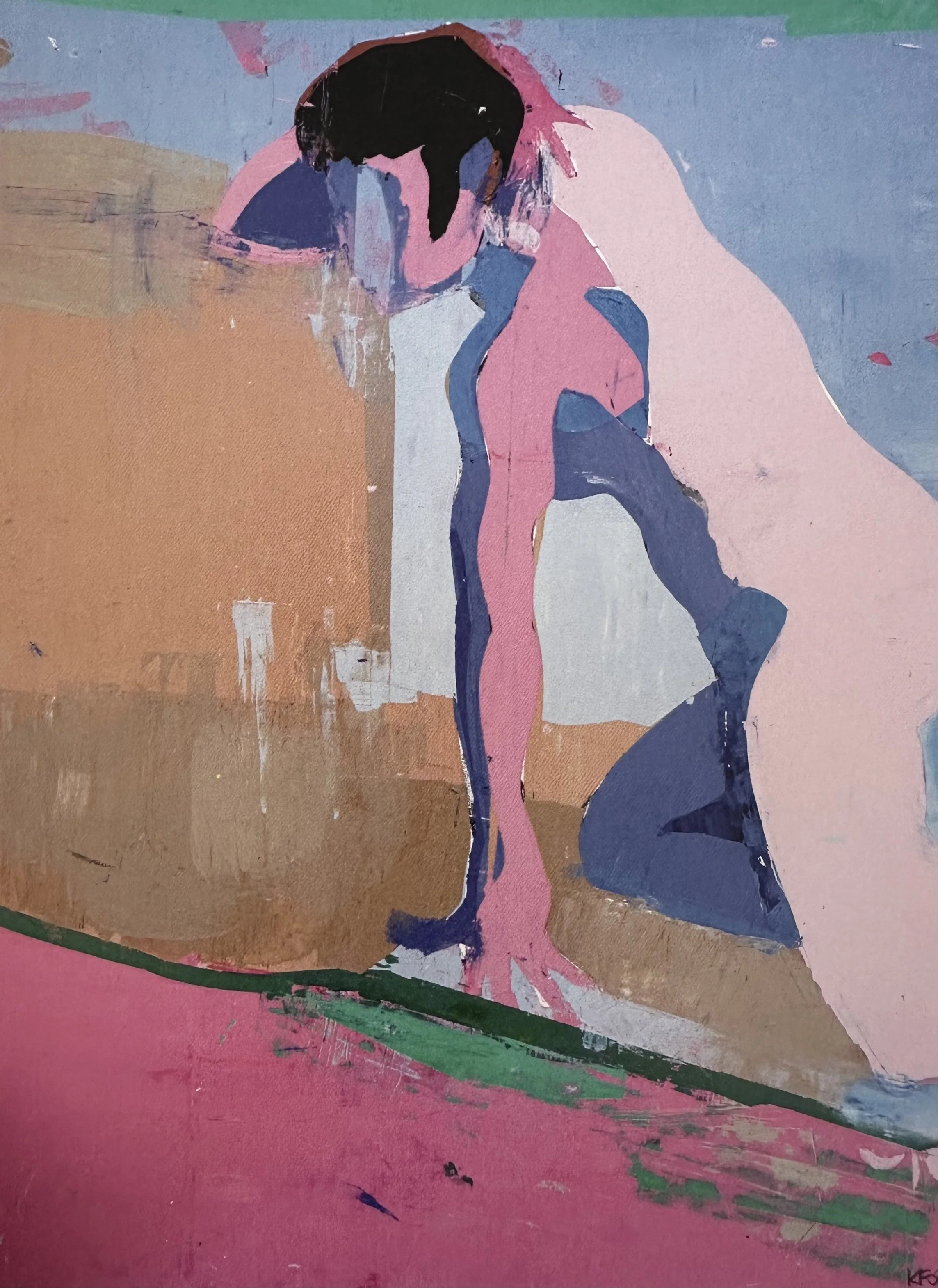
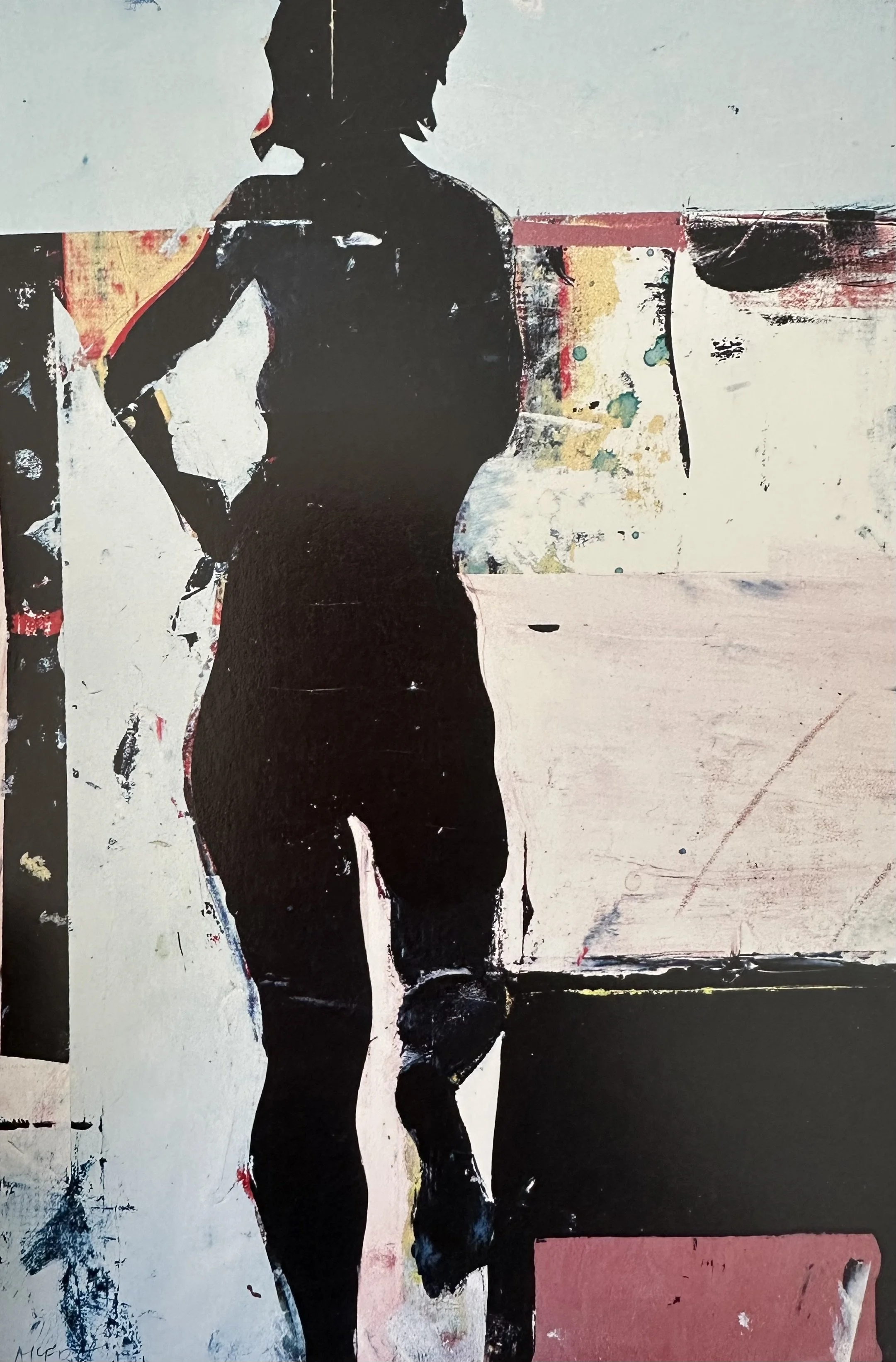
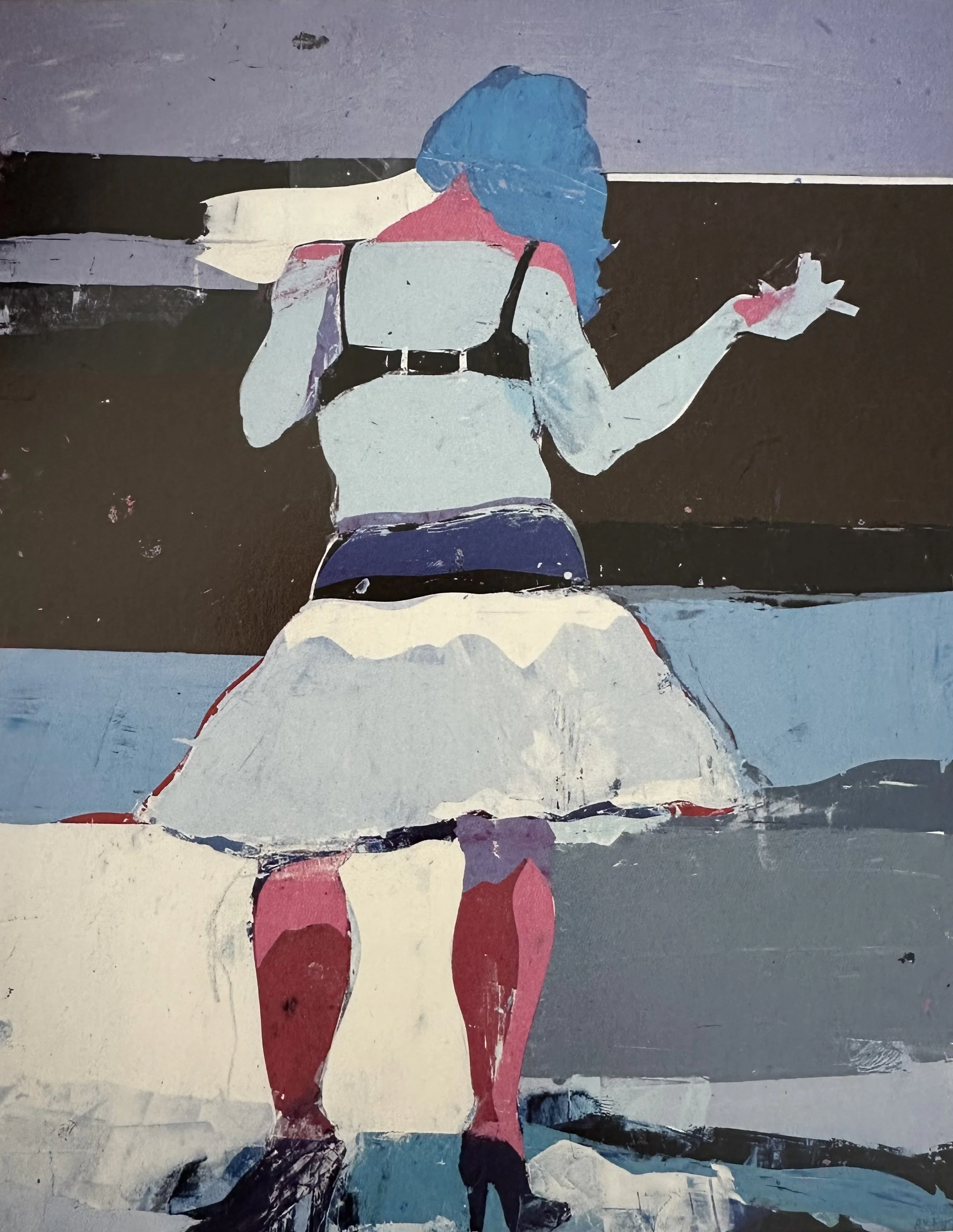
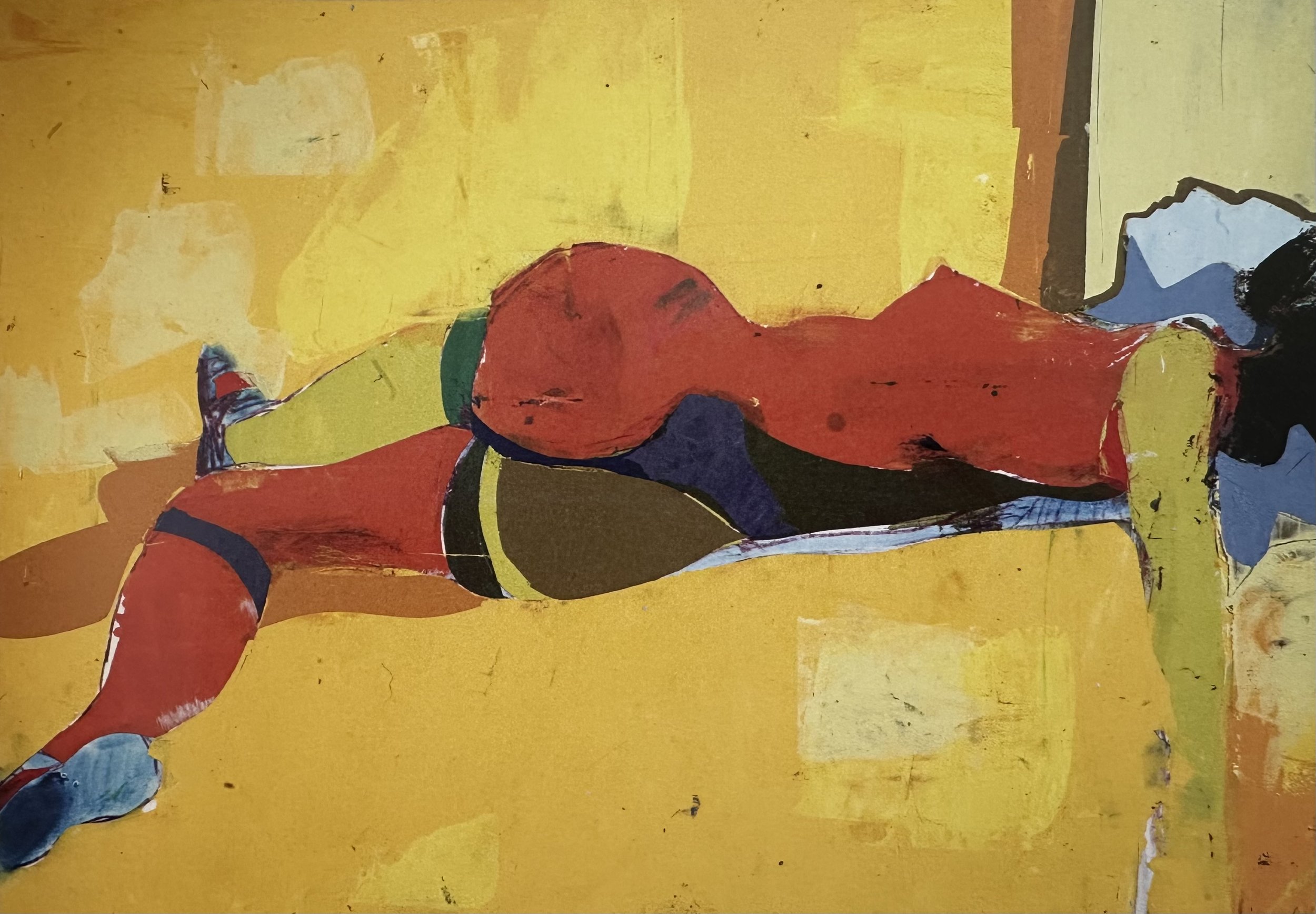
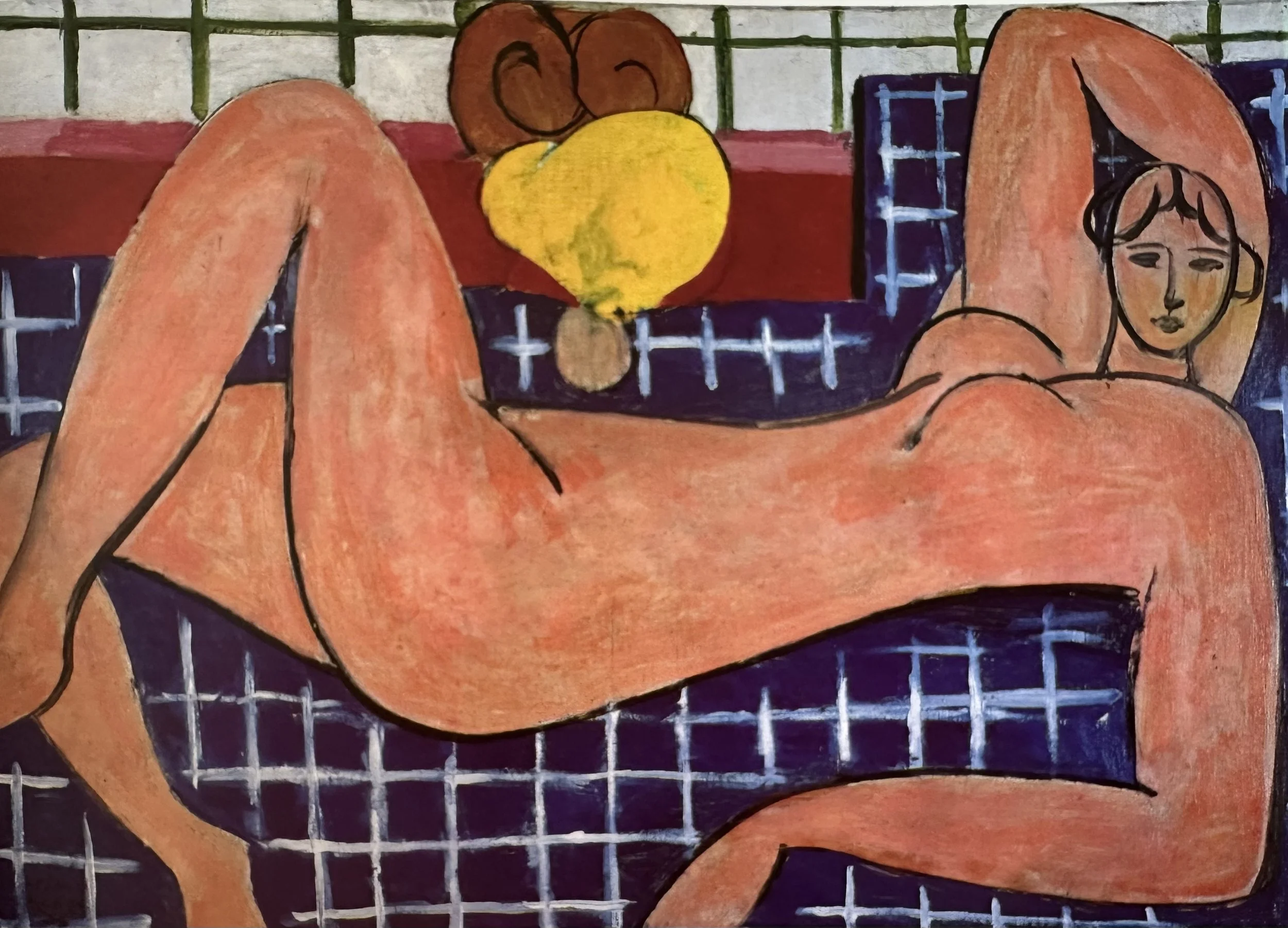
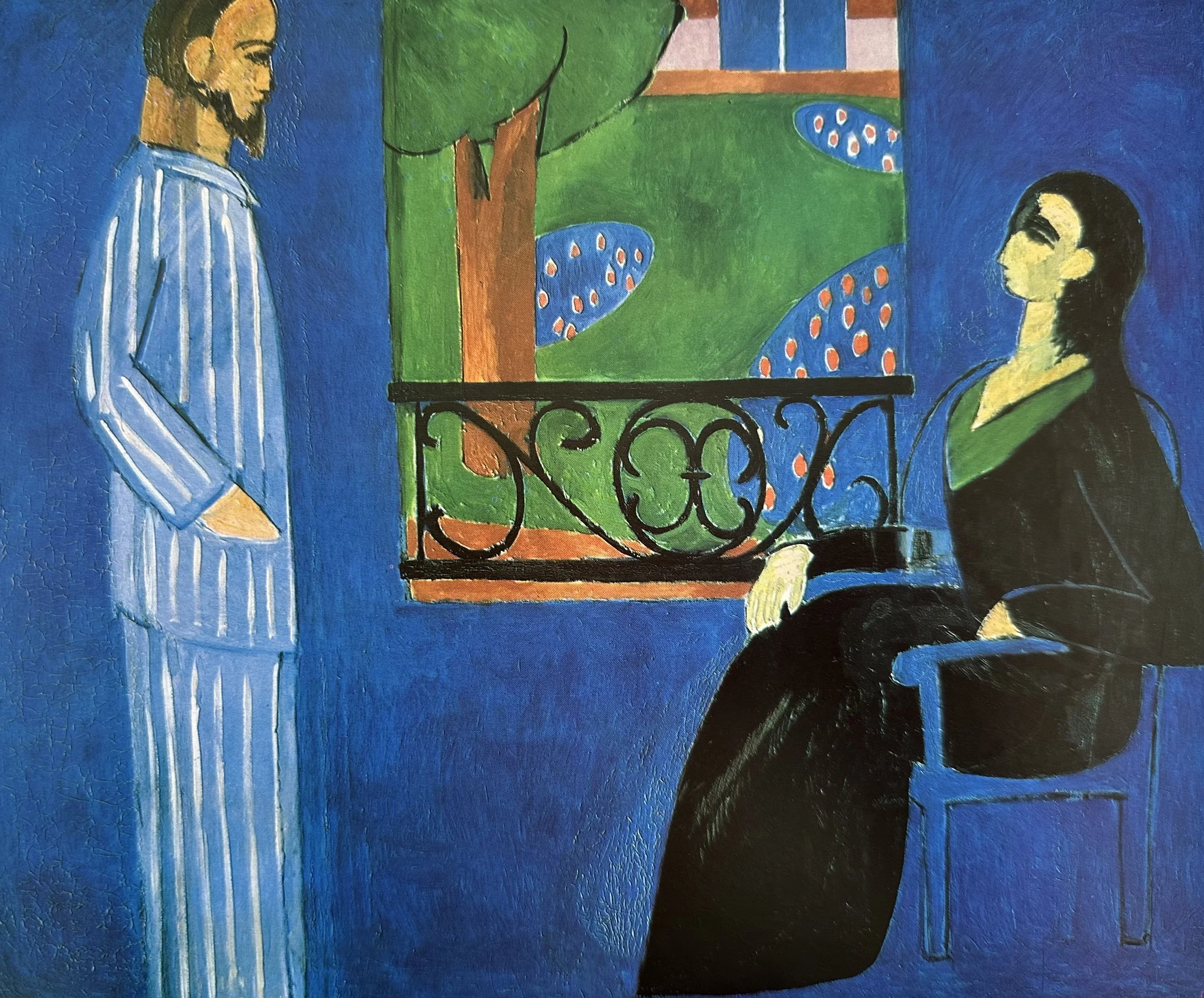
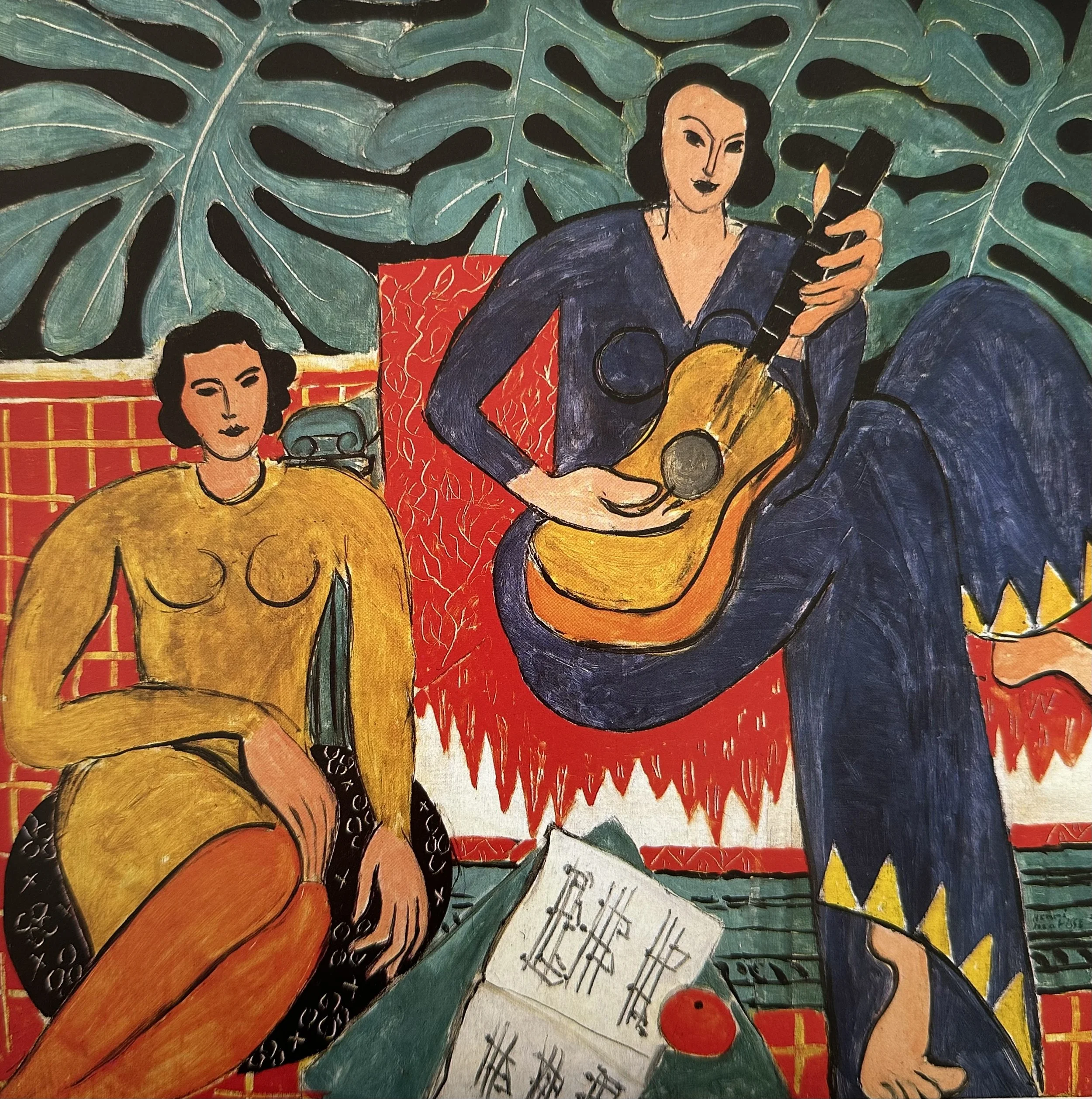
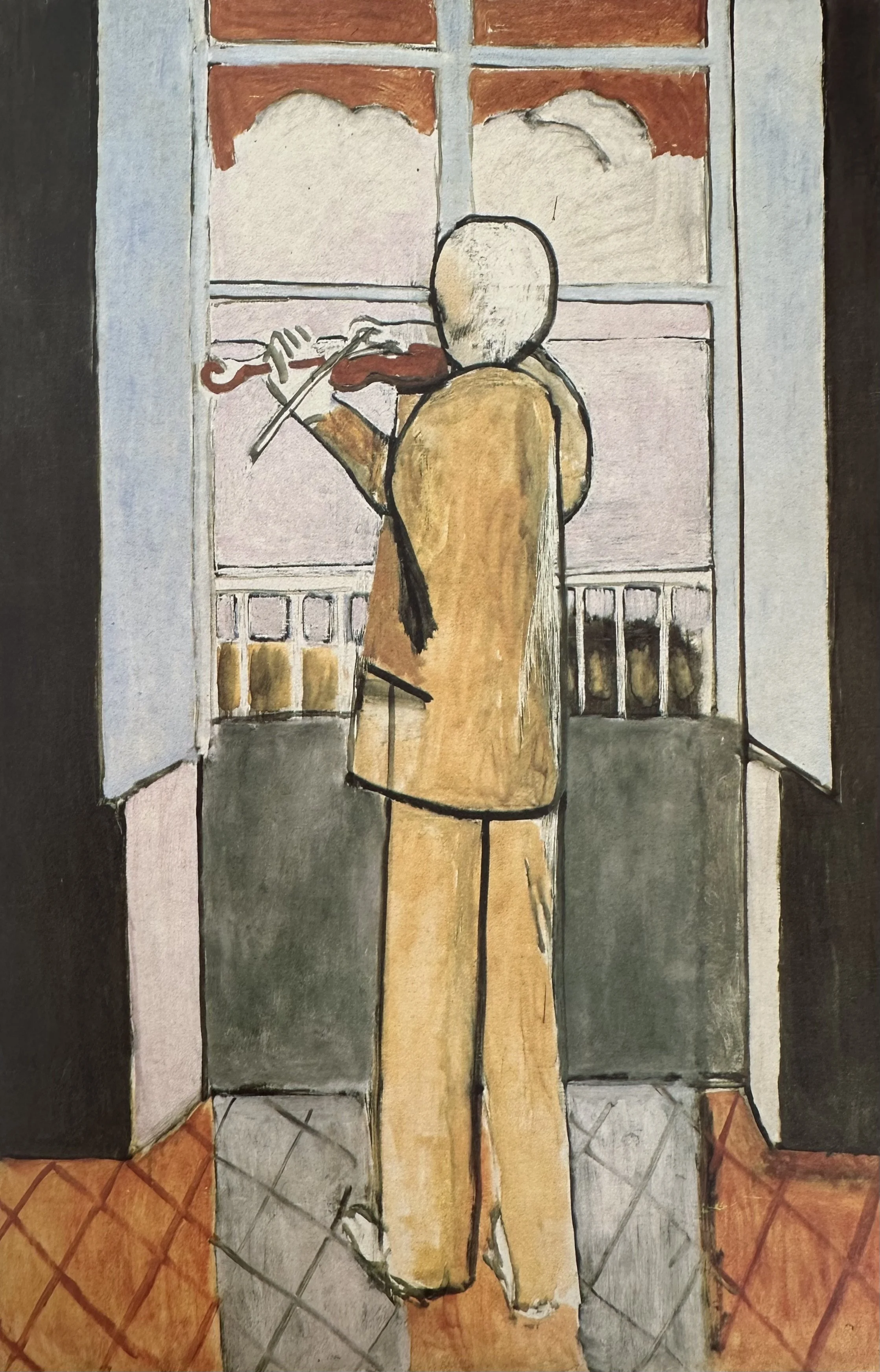
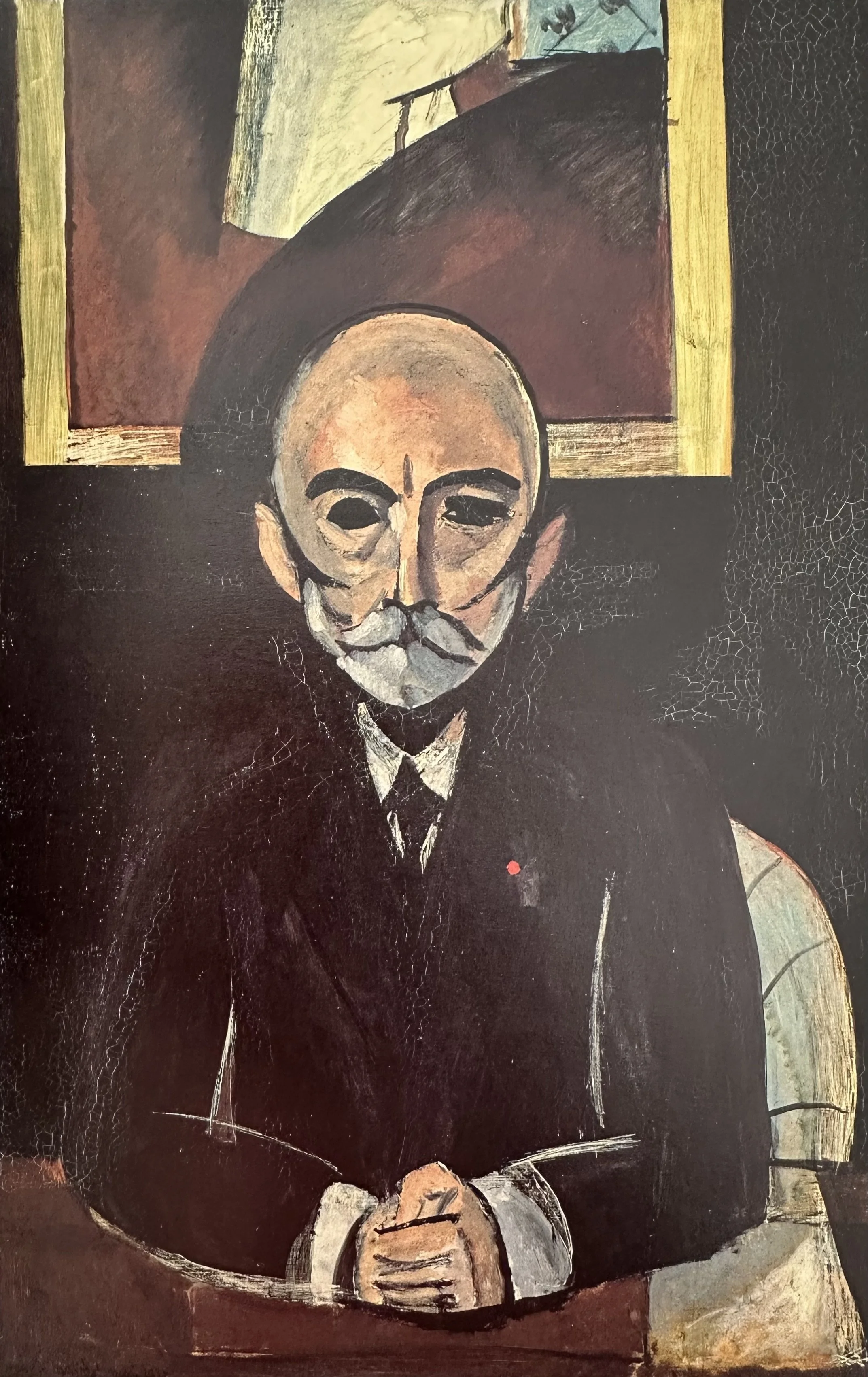
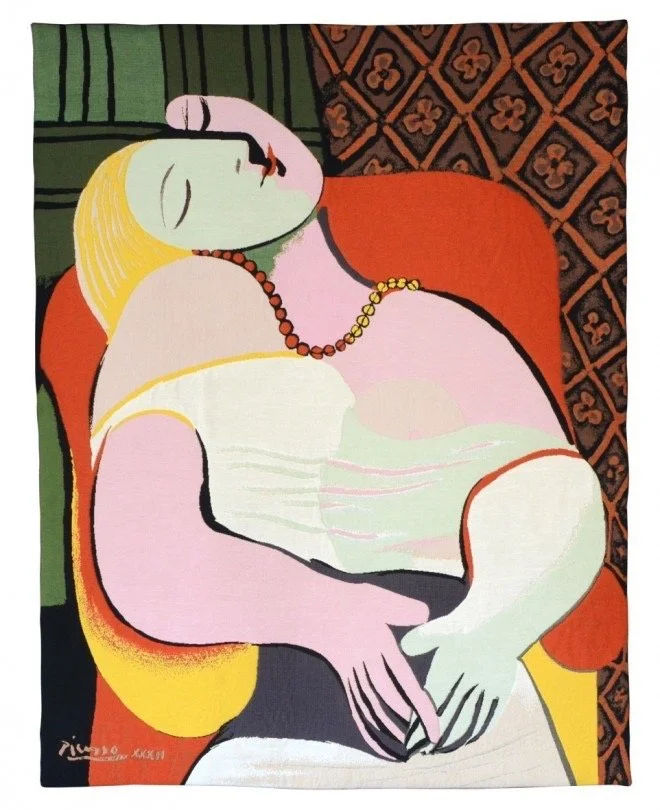
As we have seen, Matisse also reduced figures to their essence creating flat forms with little or no light and shadow or modeling. In this project create a flat figure or figures in a simple surrounding. Exaggerate limbs or parts of the body to be even more expressive. In the gallery below I also include paintings by Milton Avery, Joan Brown and Kim Frohsin, artists who have clearly been influenced by Matisse. Use this gallery to help inspire your project.
GALLERY
▫
GALLERY ▫
⇣ Click on any image to view larger ⇣
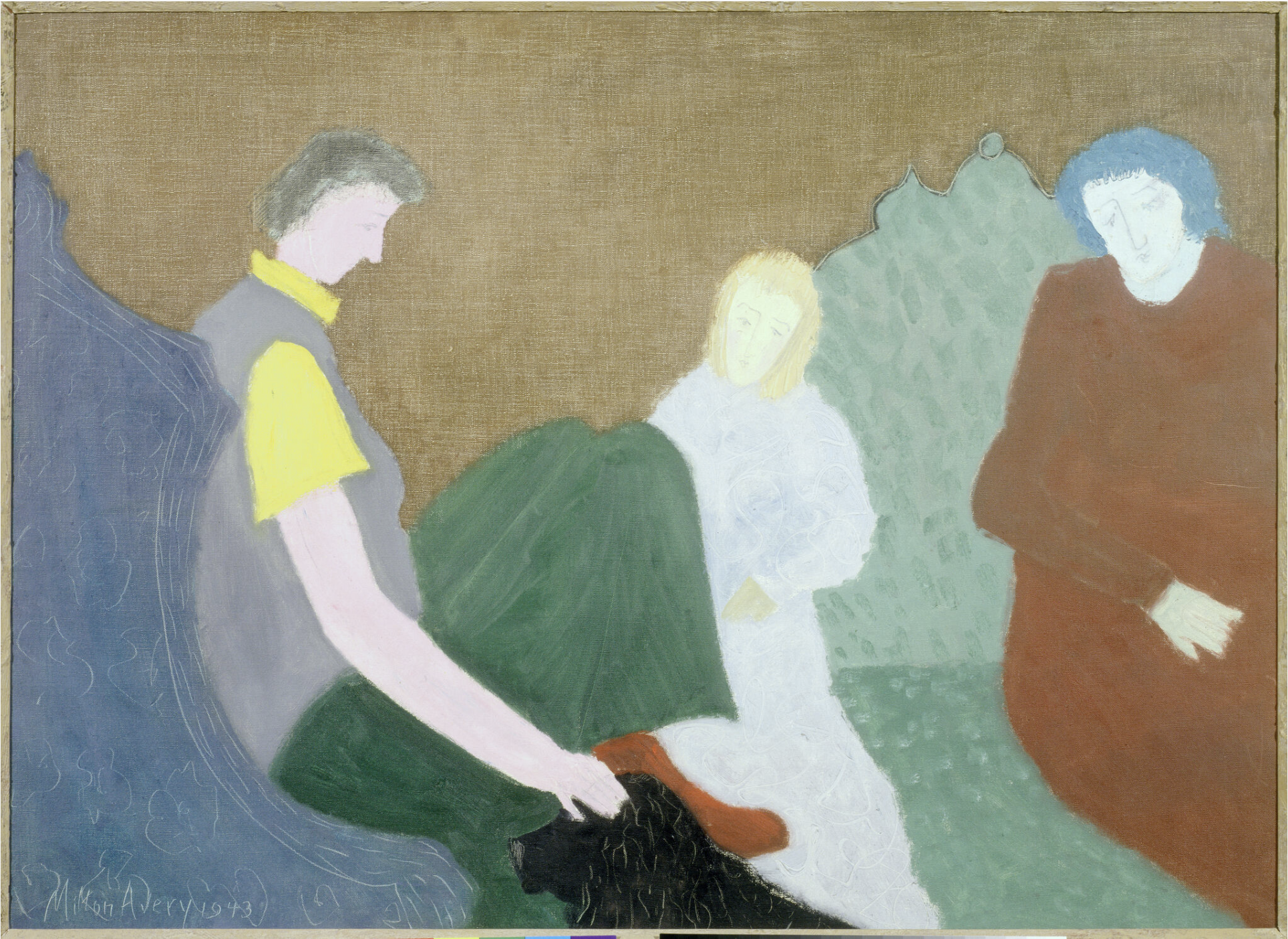
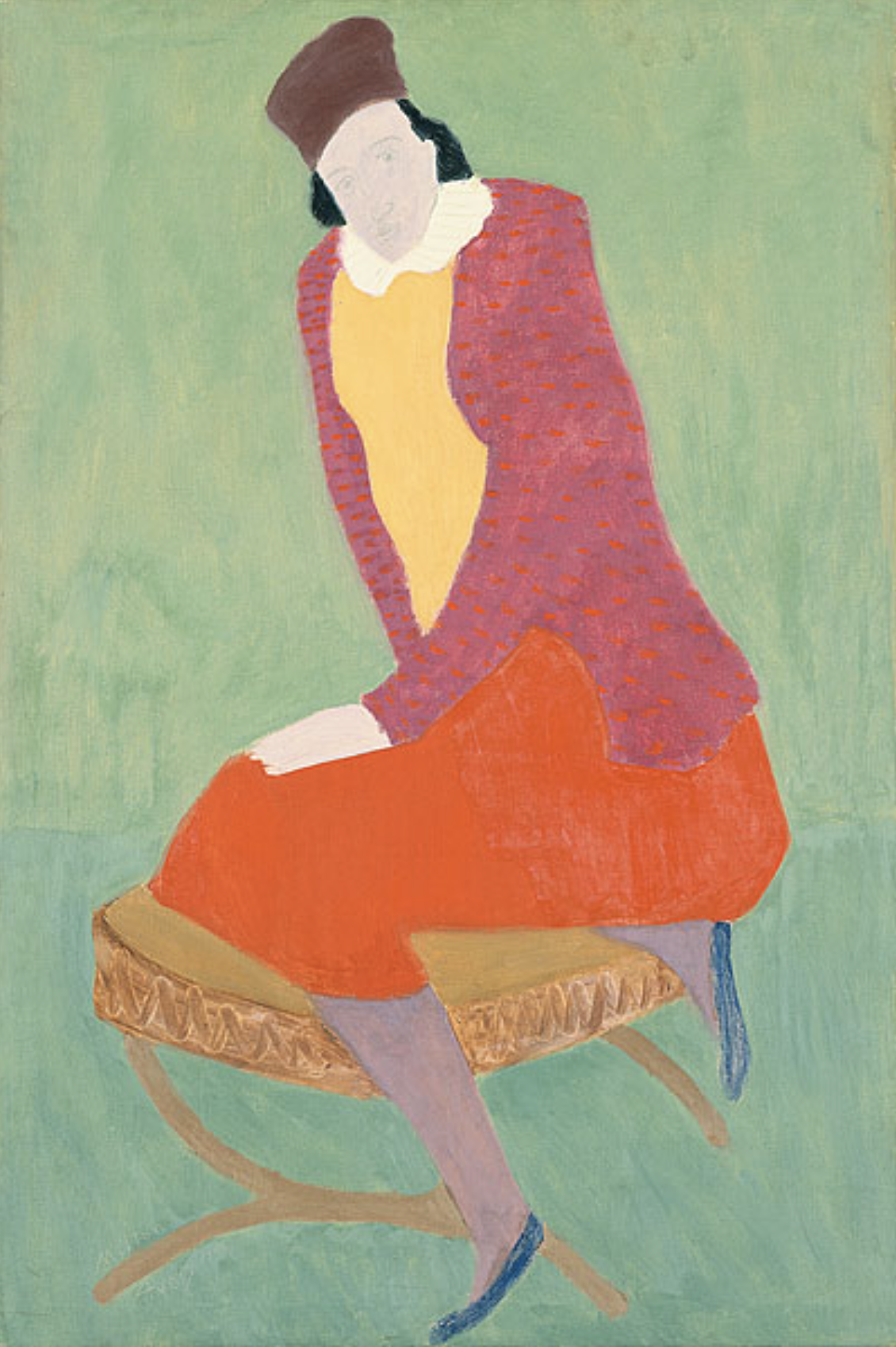
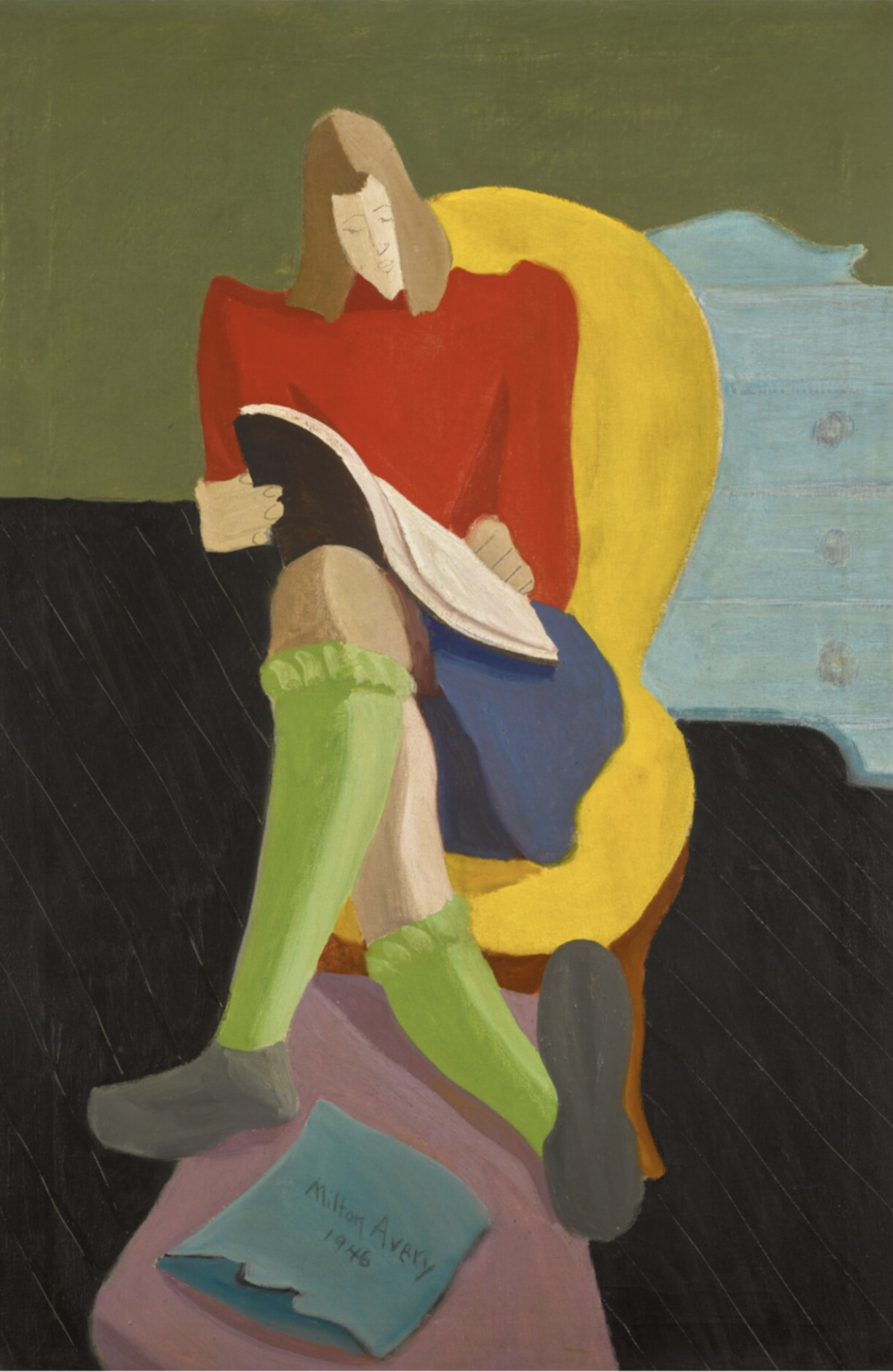
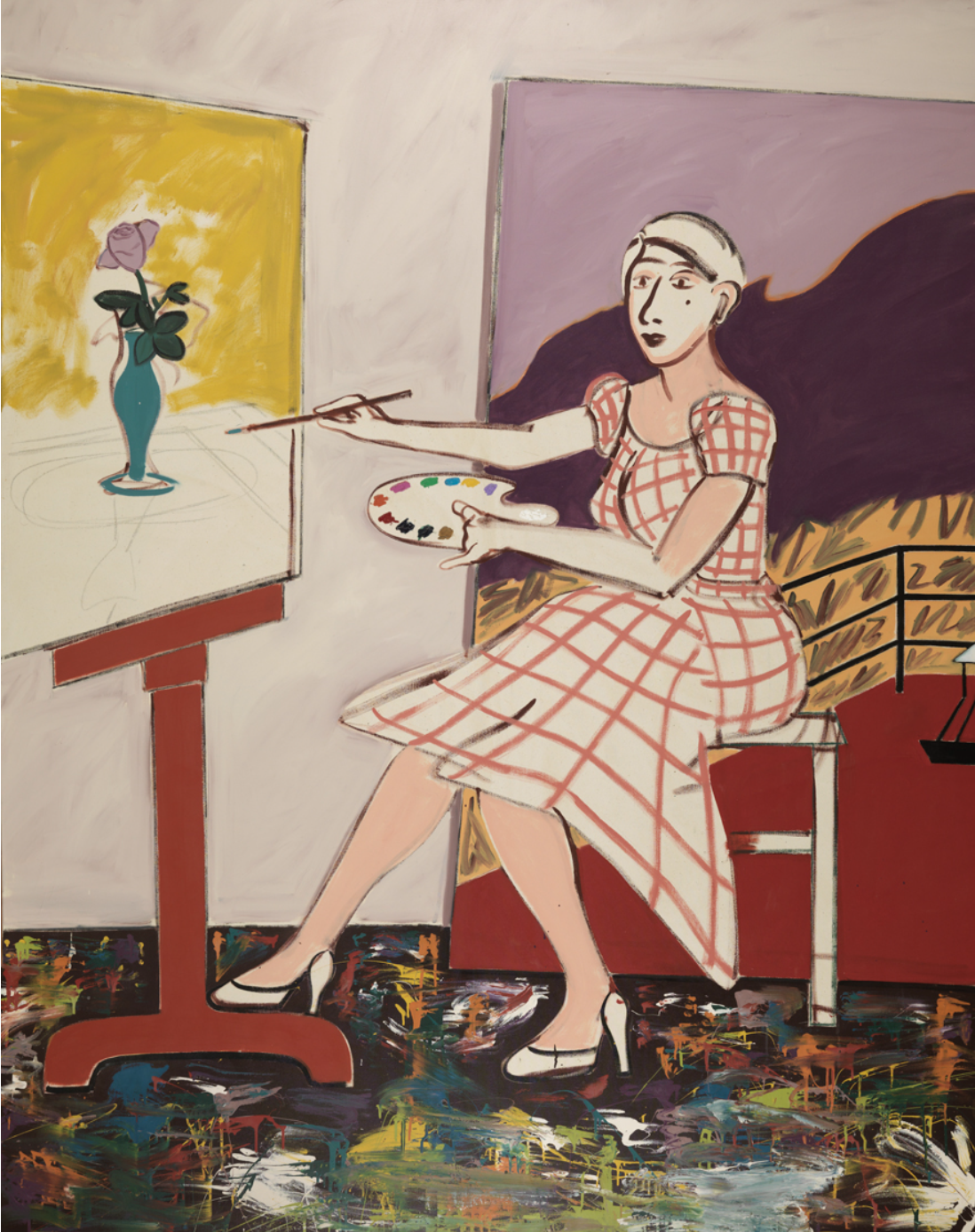
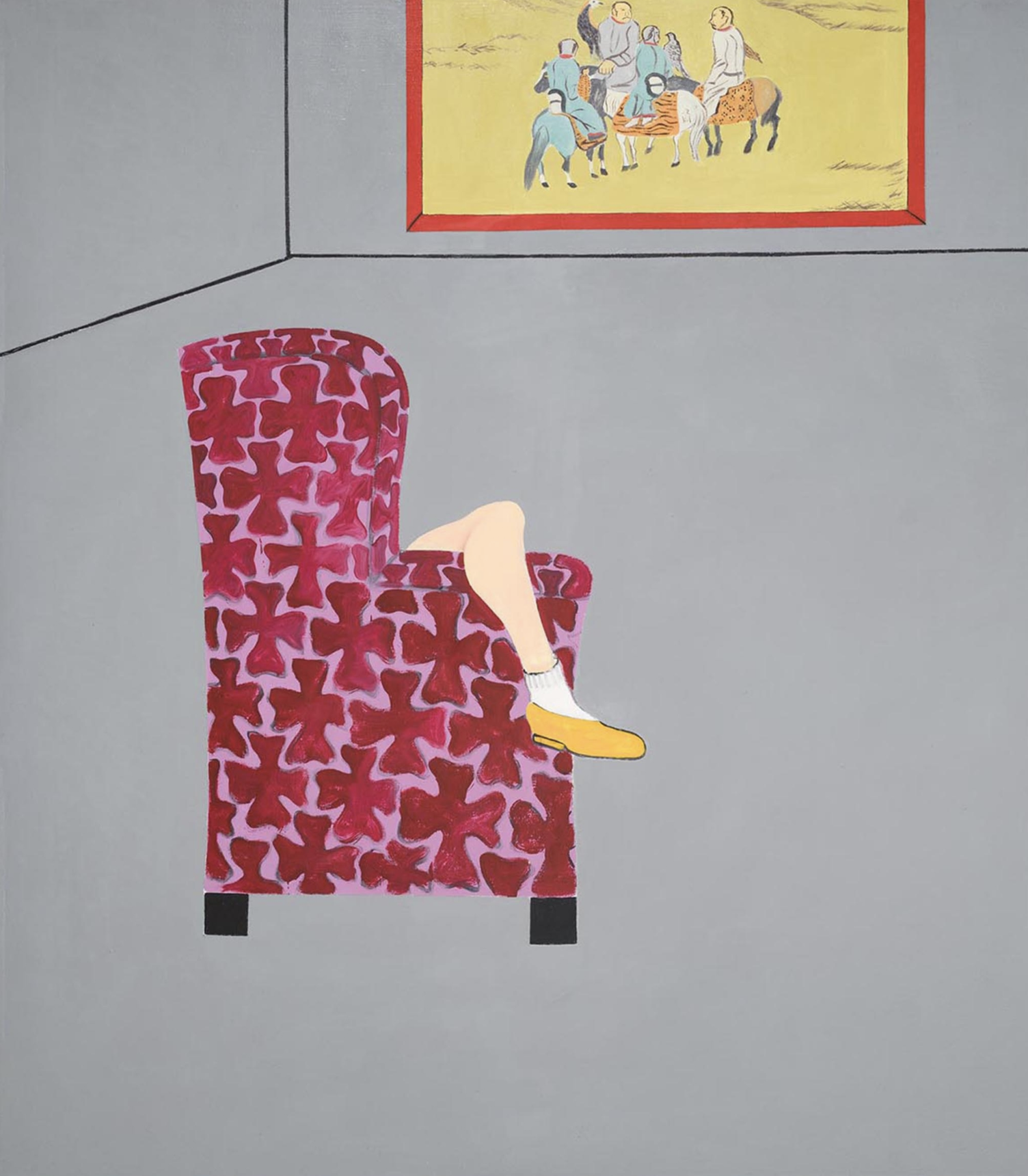
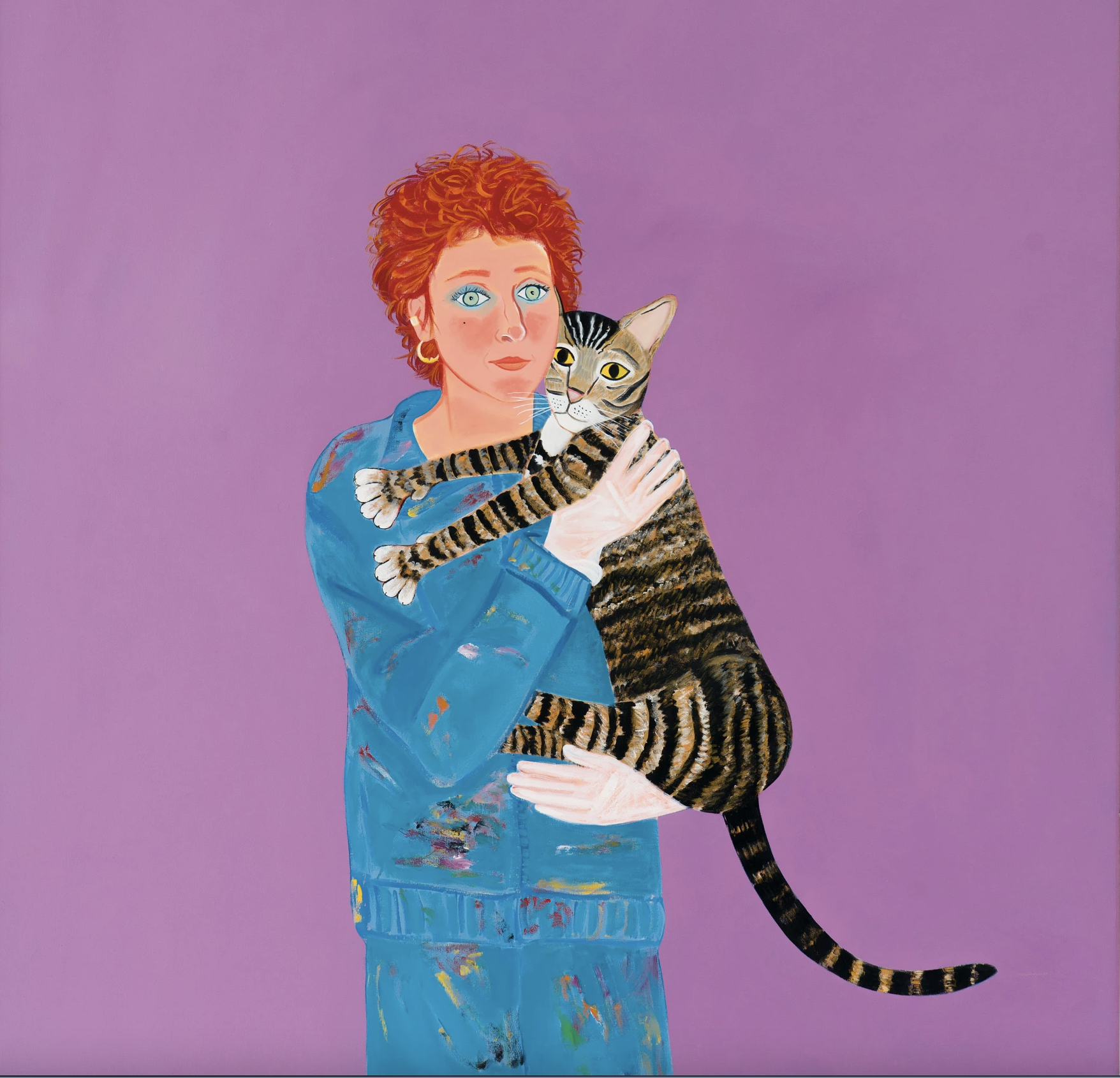
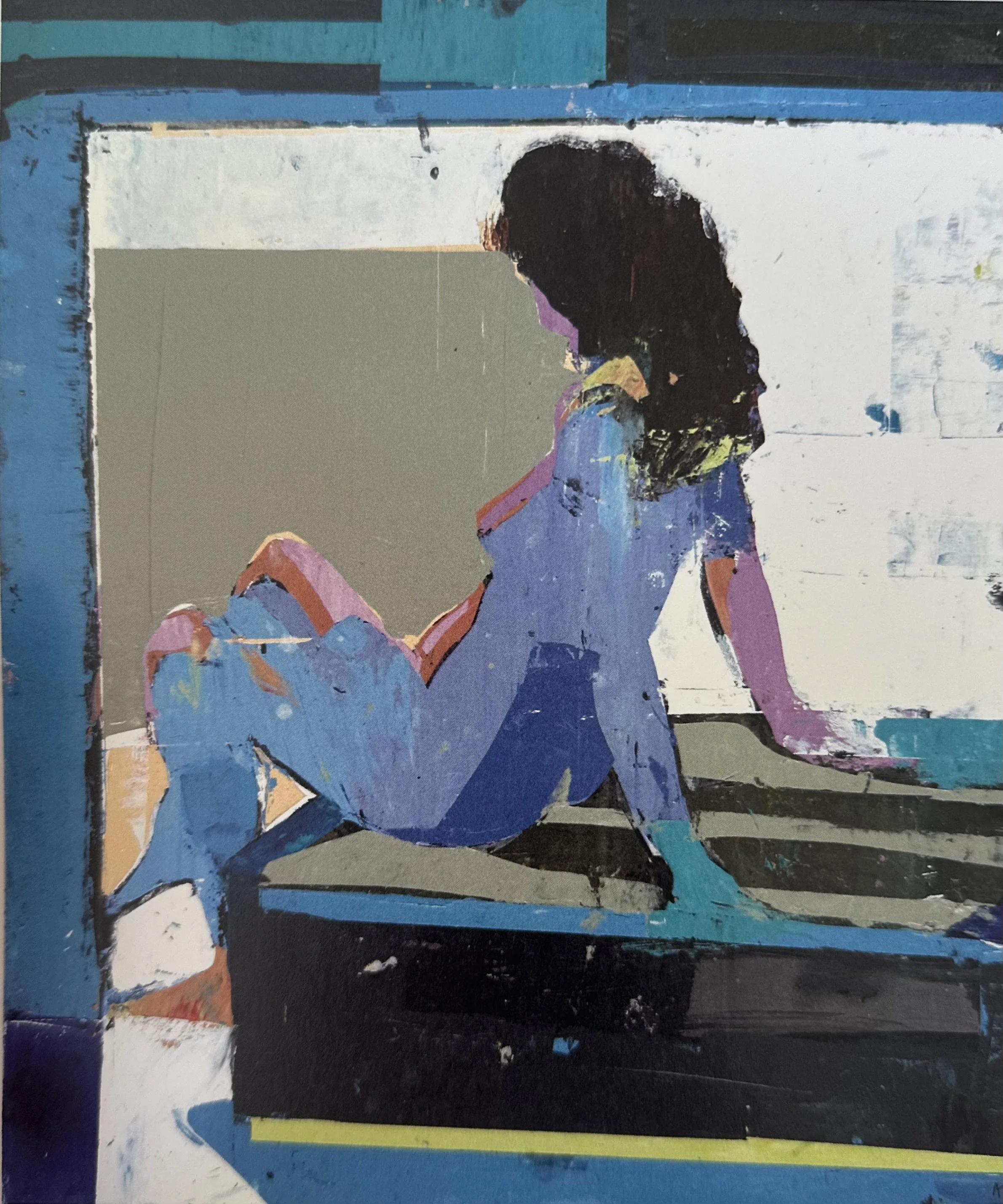
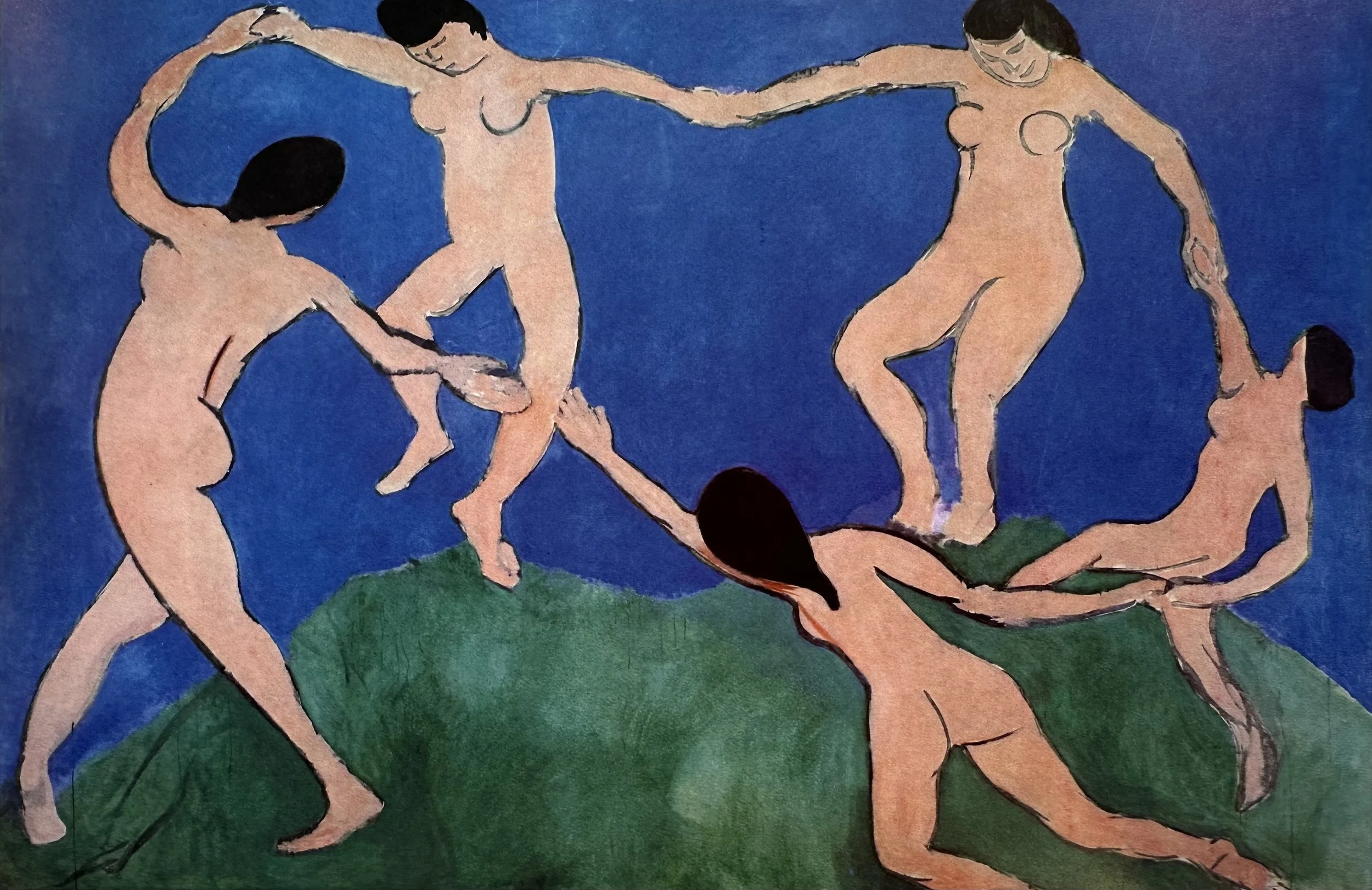
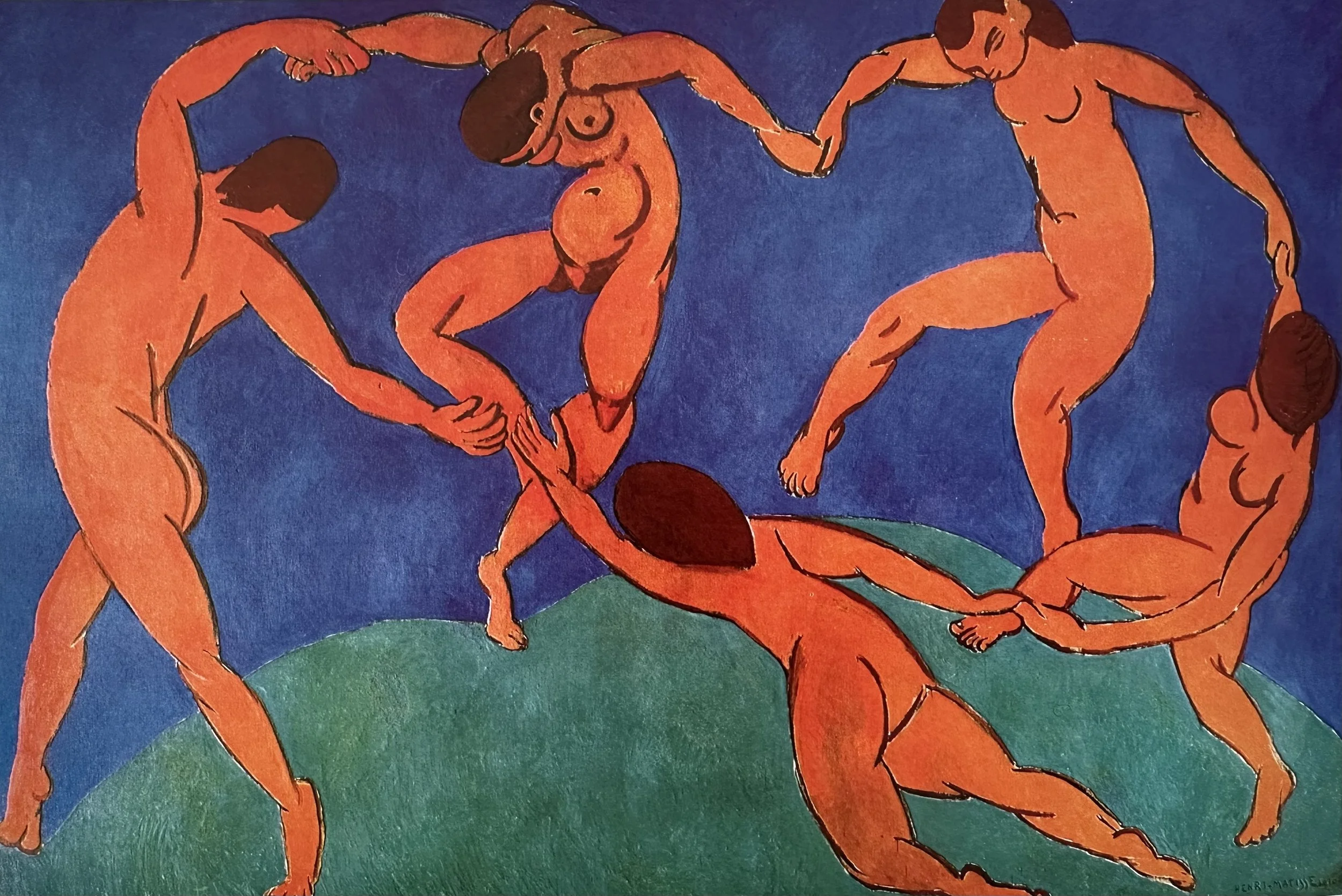
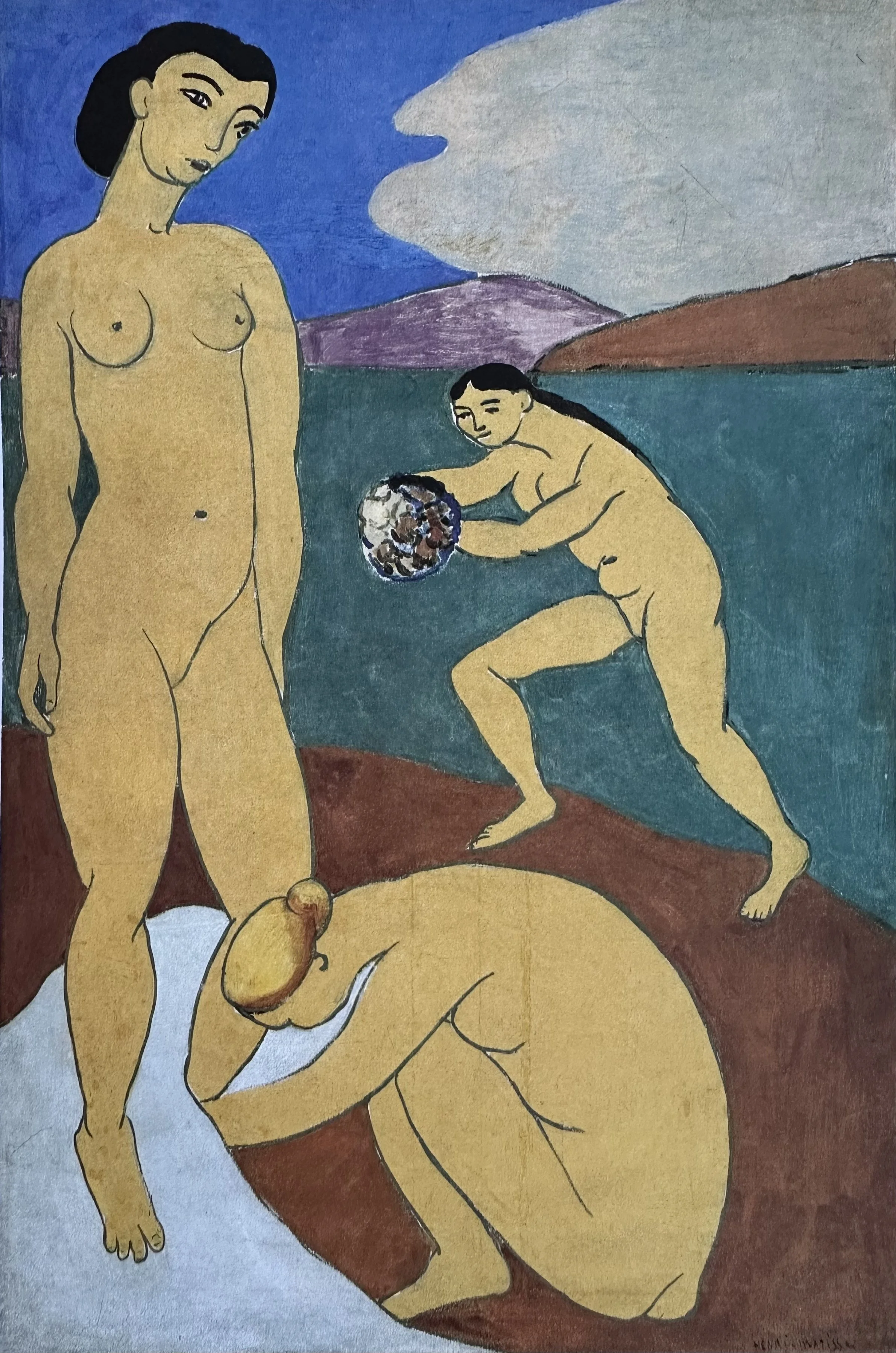
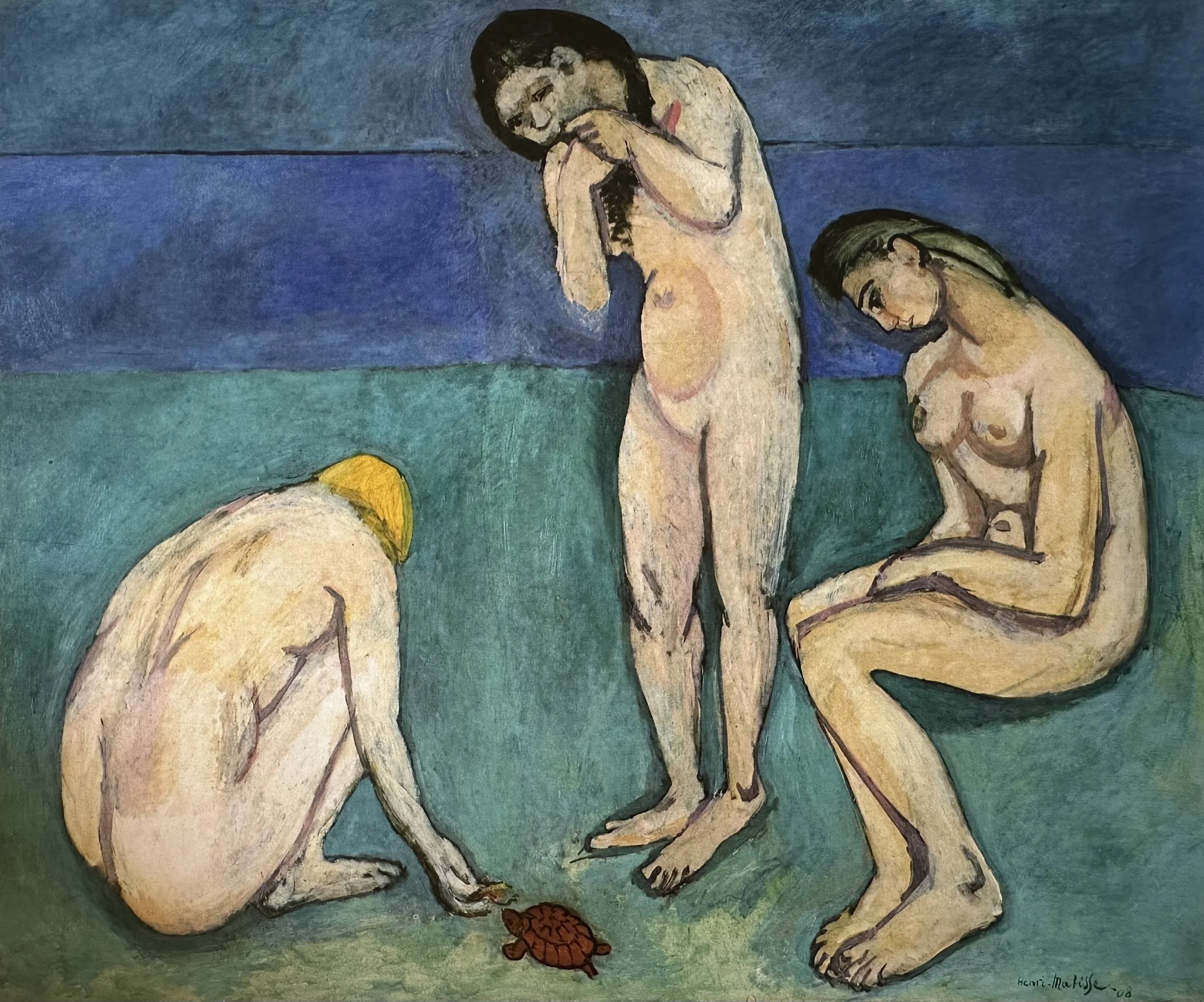
-
Try to keep the figure flat with no modeling.
Use the app “Notanizer” to help simplify values. See links below.
Consider exaggerating parts of the body.
Try to capture the essence of the figure or the pose.
It’s OK to keep the background simple.